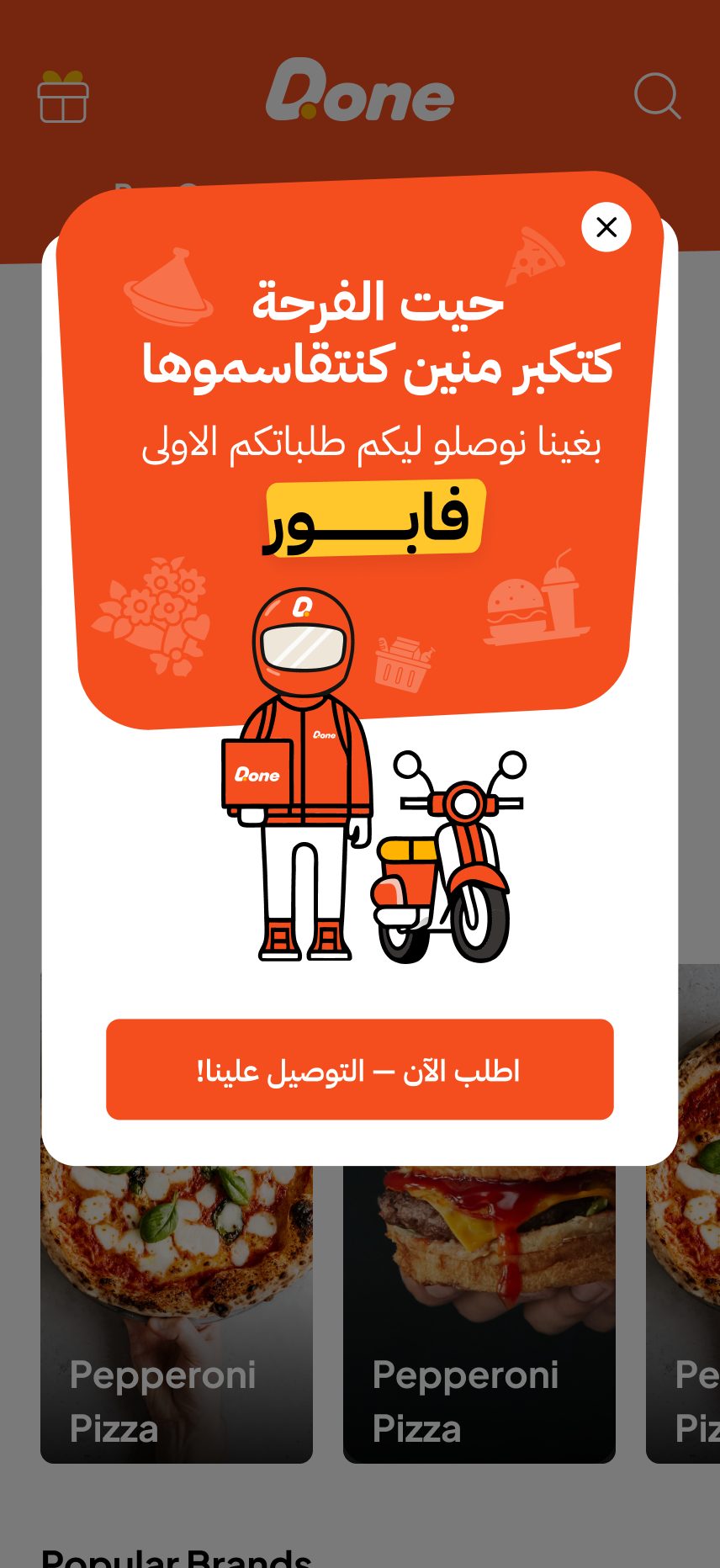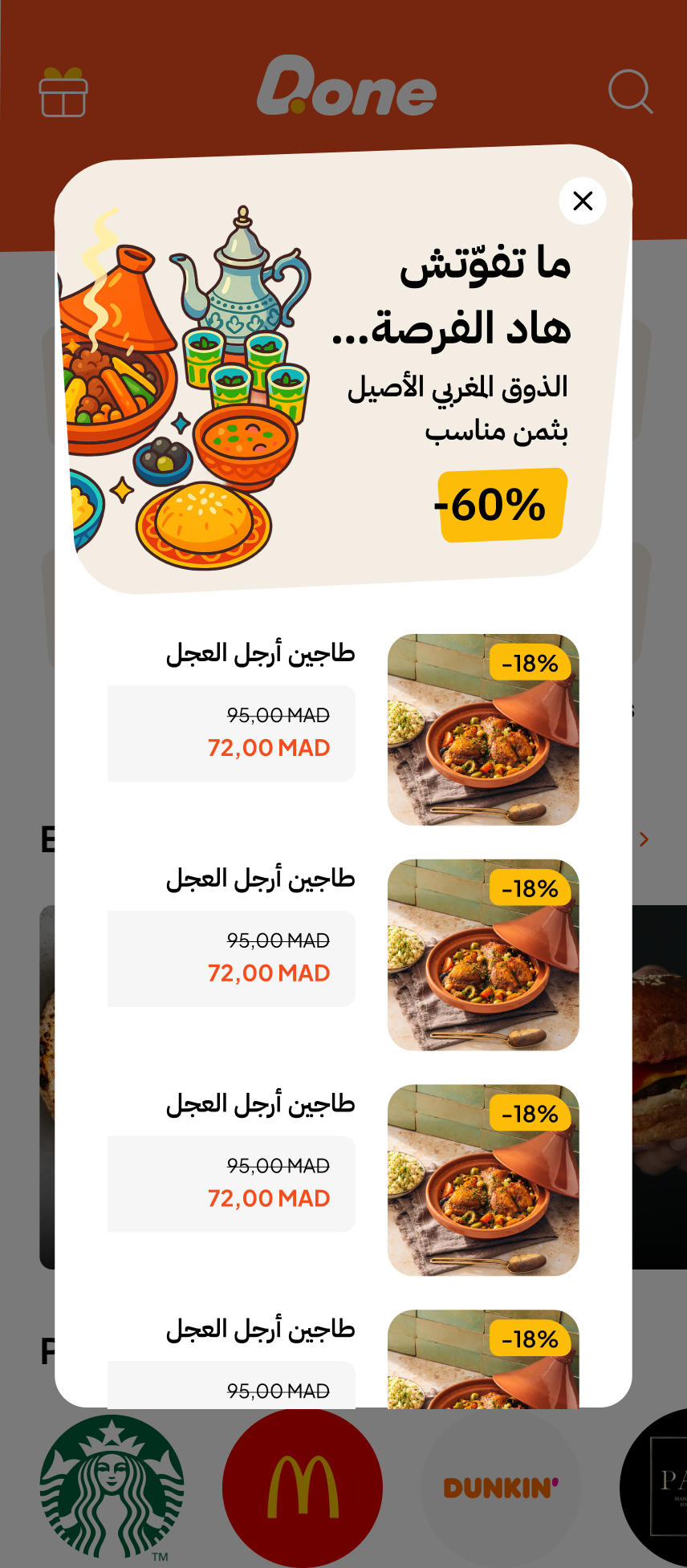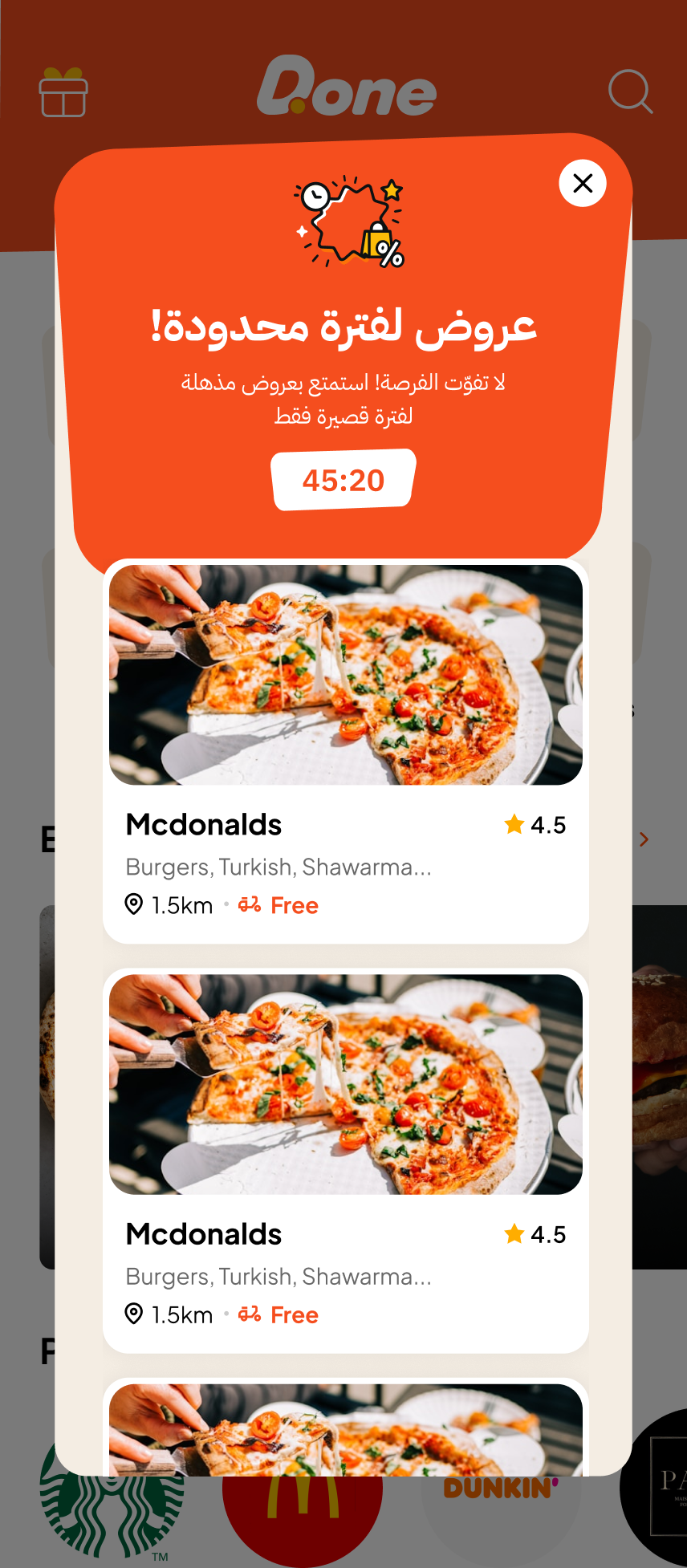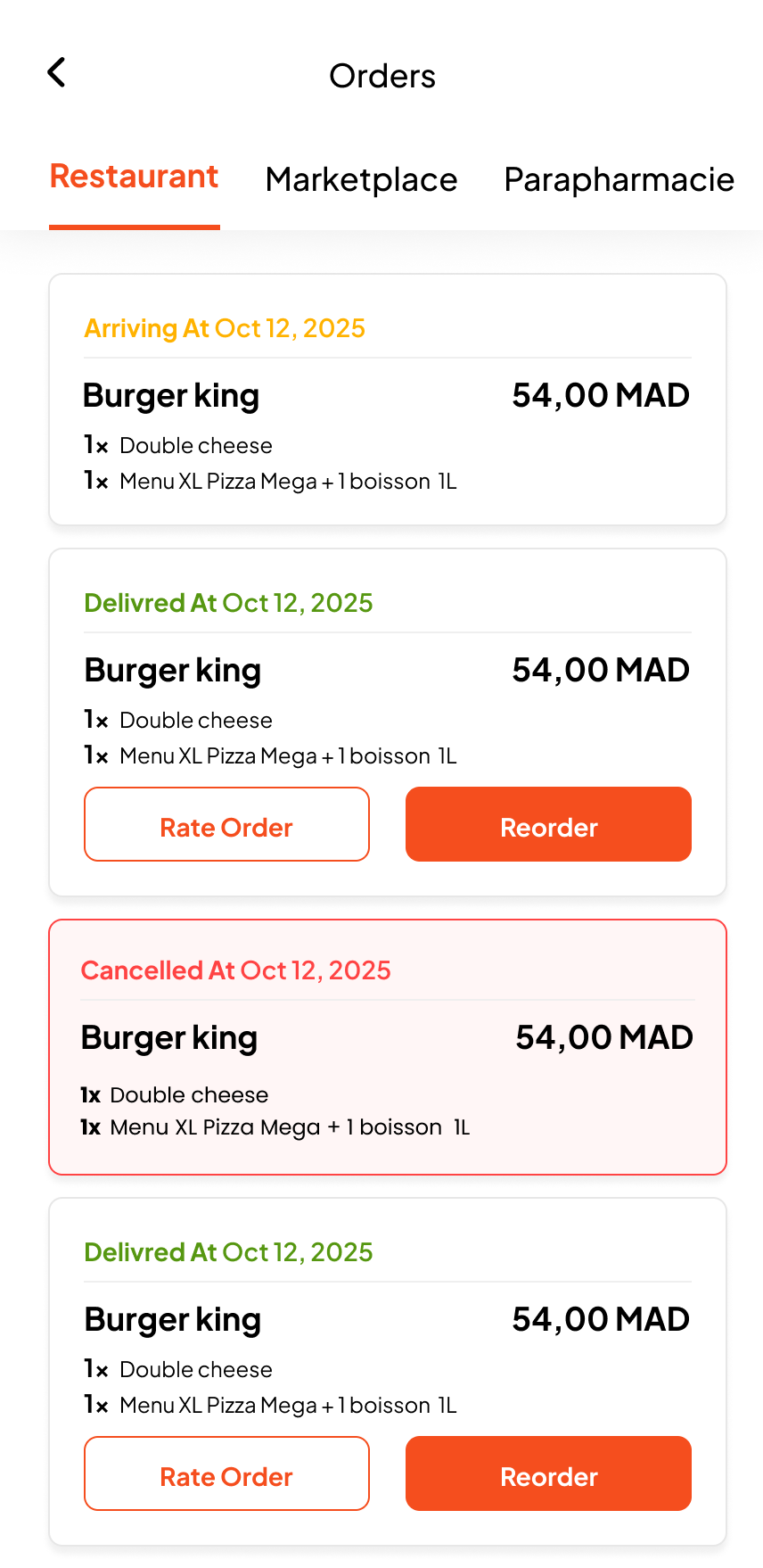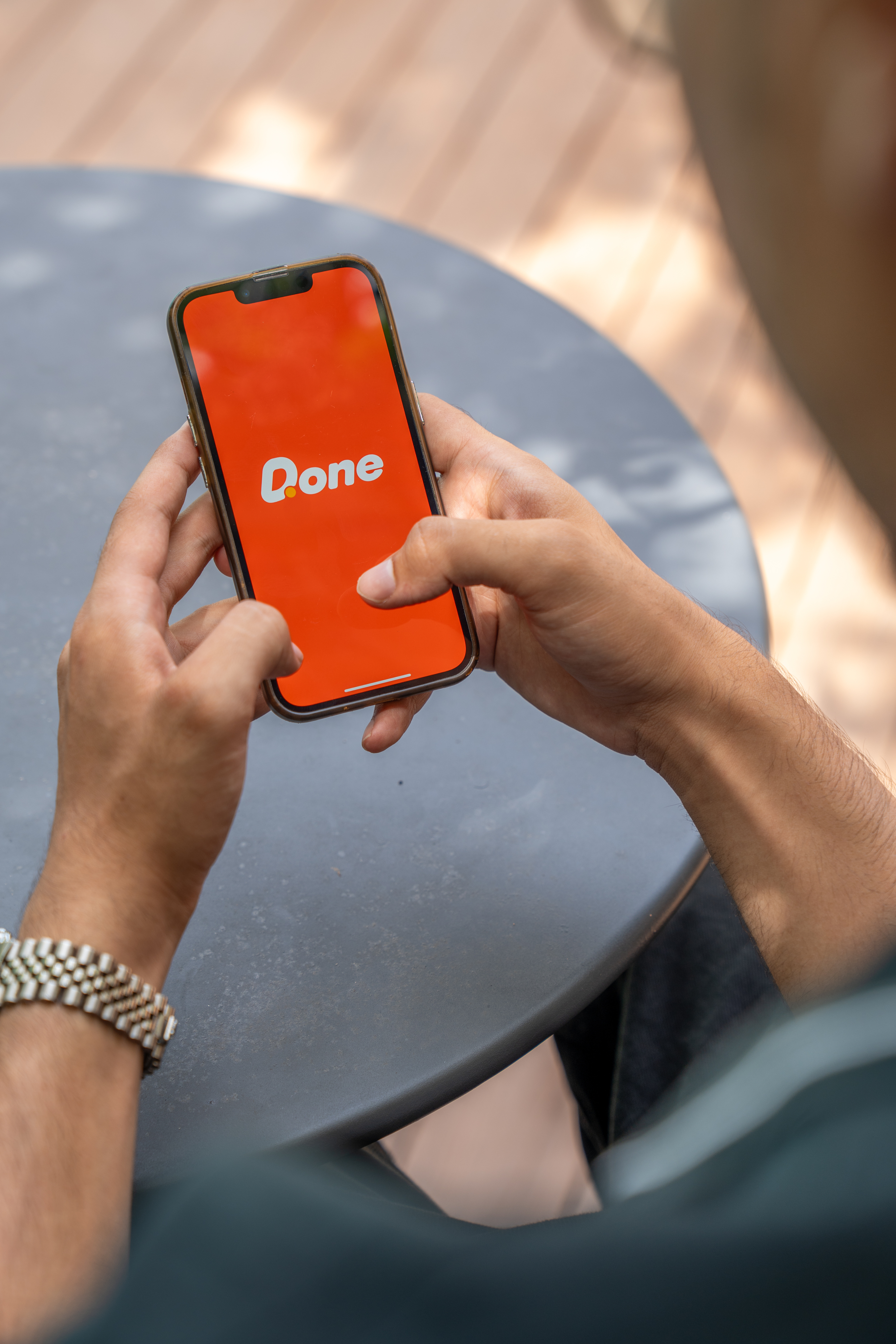
Done Super App
Designing a Culture-First Super App for Morocco
Context
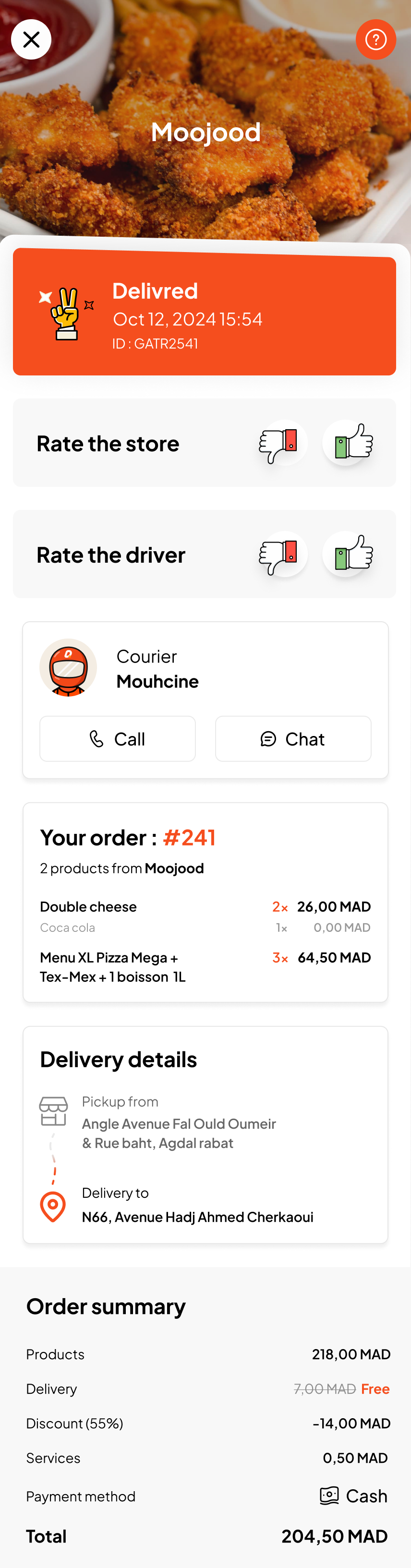
Done is a super app designed to unify everyday services — including delivery, on-demand services, and marketplace — into a single experience.
The challenge wasn't adding more features, but making multiple services feel simple, intuitive, and trustworthy for Moroccan users.
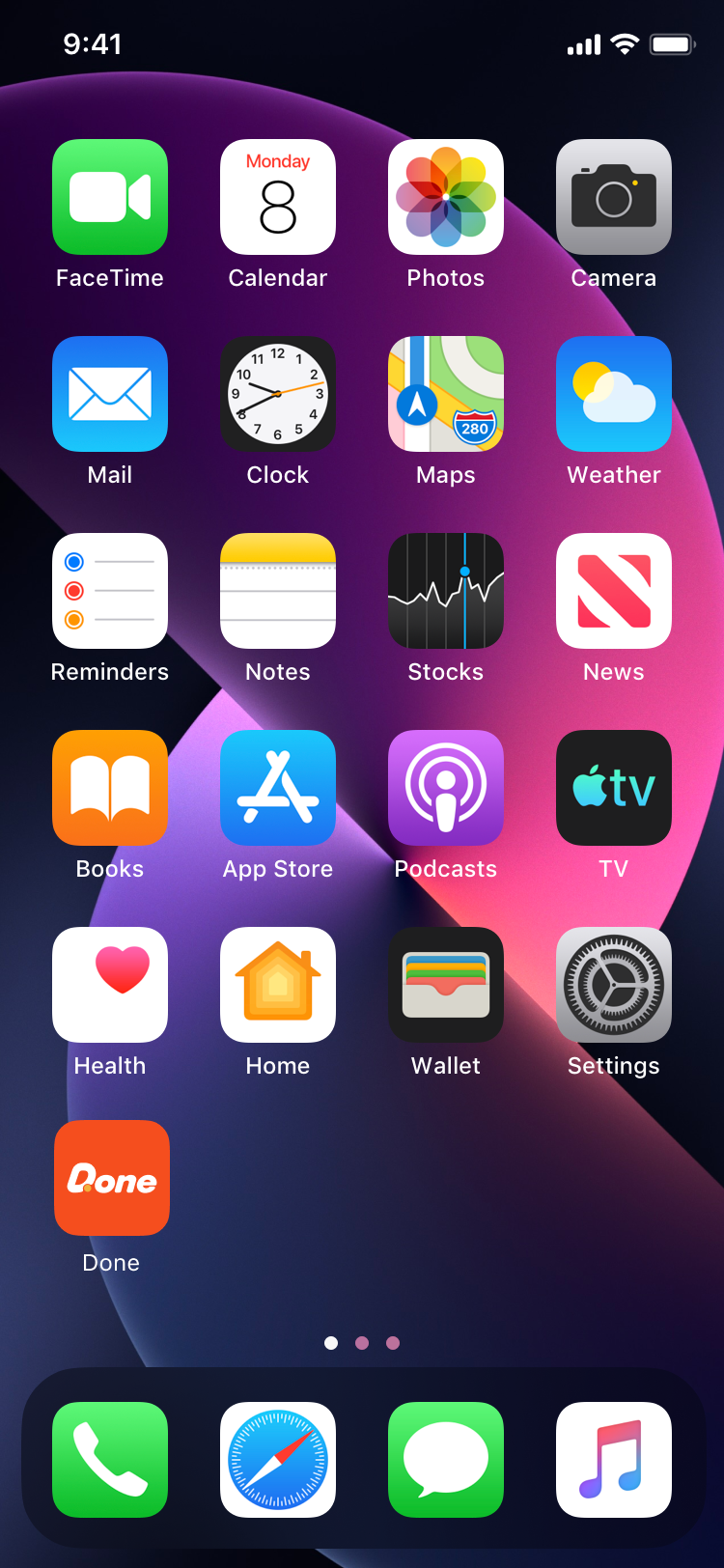

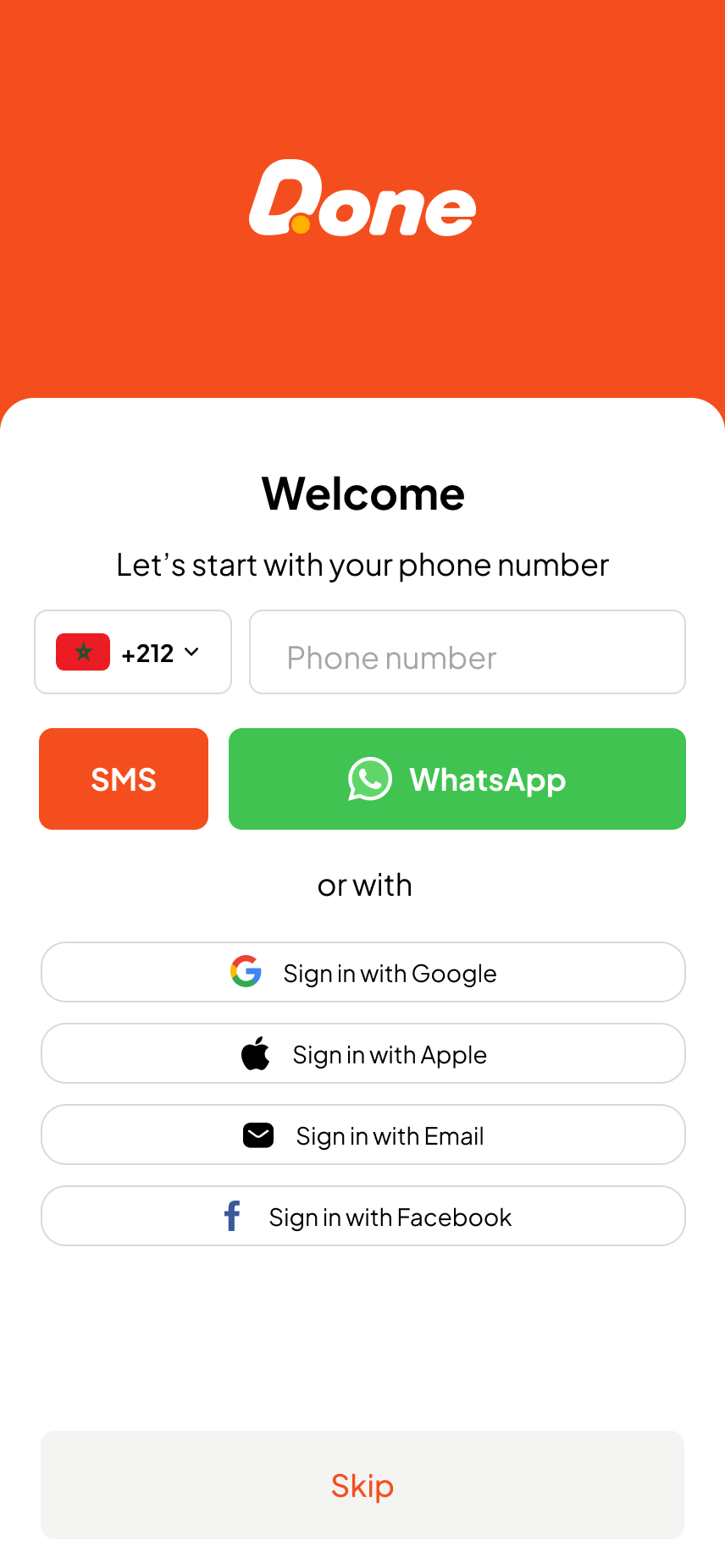
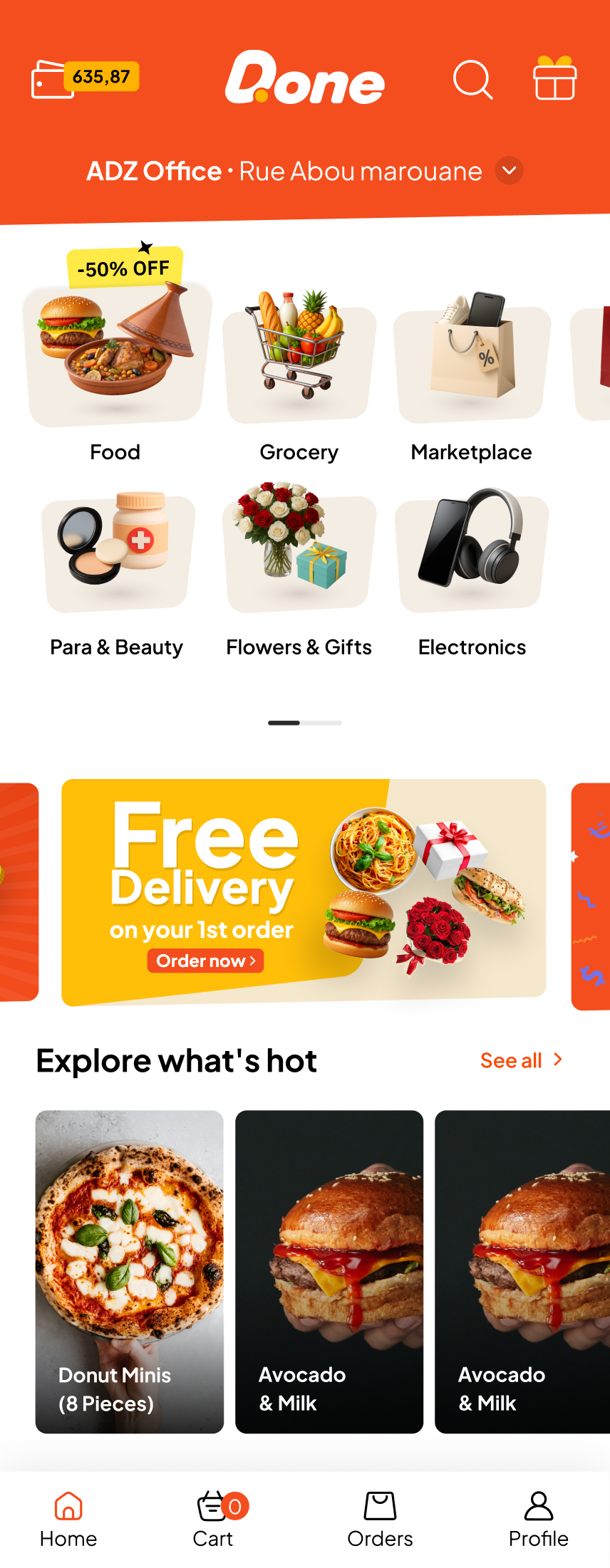
The product
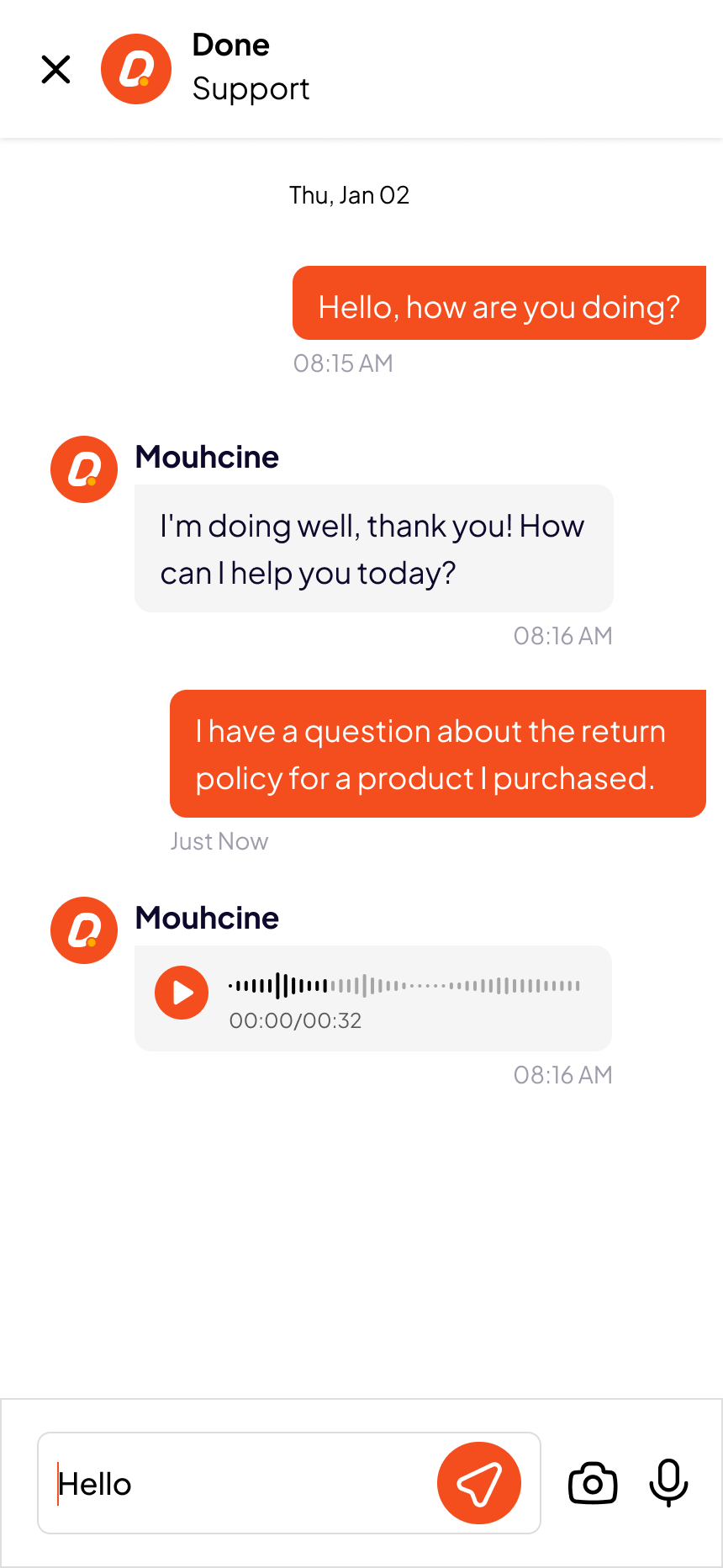
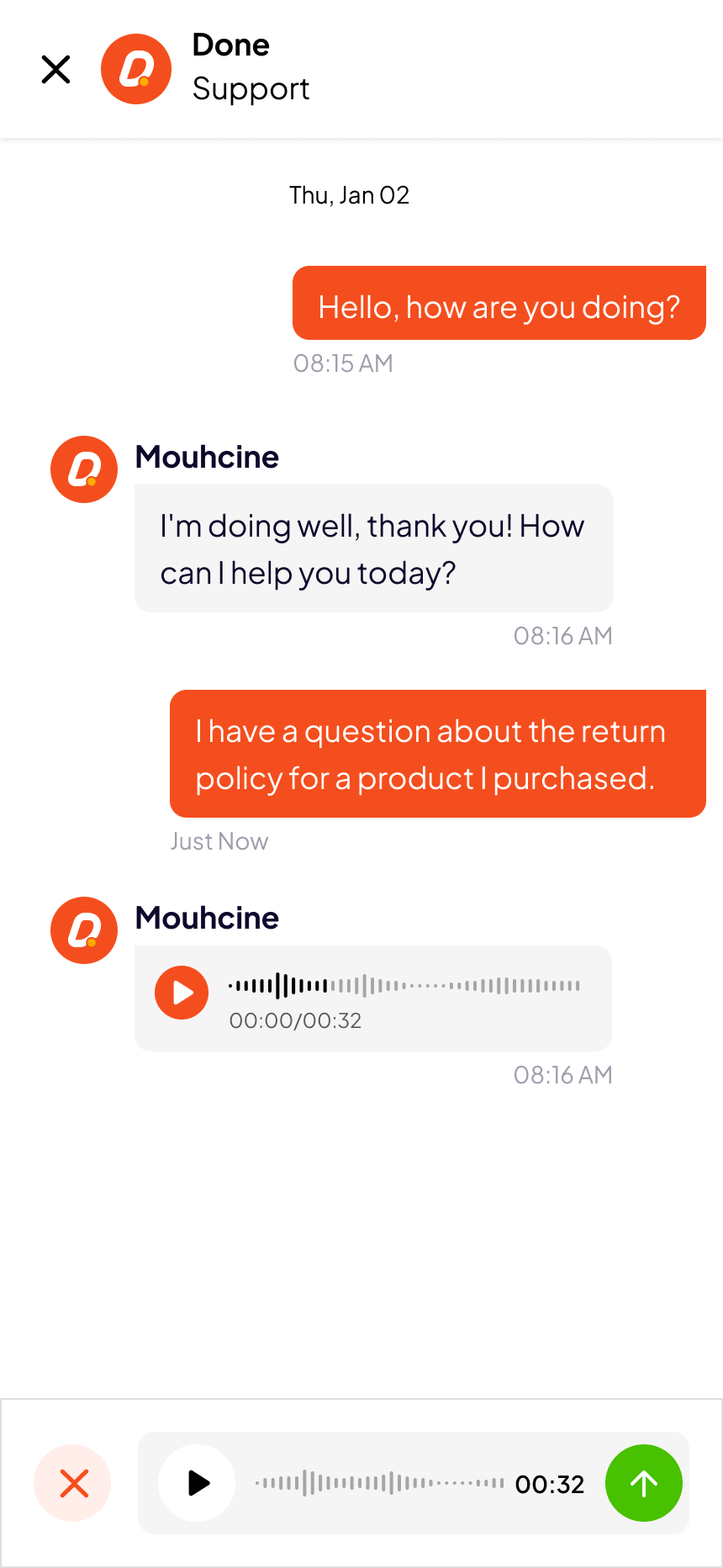
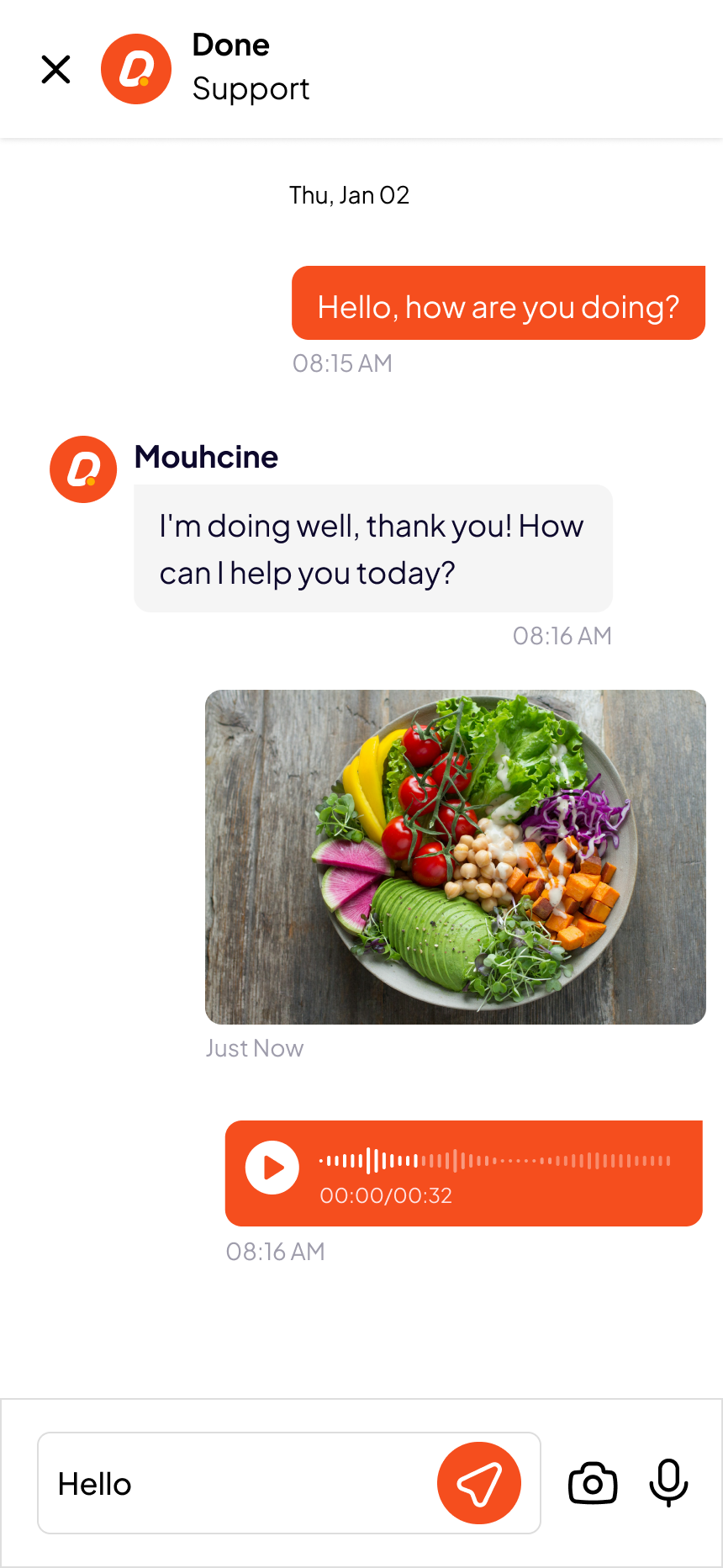
Done is a super app that allows users to order food, shop products, and access services — all in one seamless experience tailored for Moroccan users.
It brings multiple fragmented use cases into a single, unified ecosystem designed for clarity, trust, and daily convenience.
The Problem
Digital products in Morocco often fail not because of lack of features — but because they don't align with how people actually behave.
Key Issues
- Low trust in online payments and transactions
- Confusing navigation across multiple services
- Products designed for global markets, not local users
Opportunity
Design a product that feels native — built around Moroccan habits, language, and expectations.
Objective
Create a unified super app that simplifies everyday needs while building trust, clarity, and usability at scale.


Key Decisions
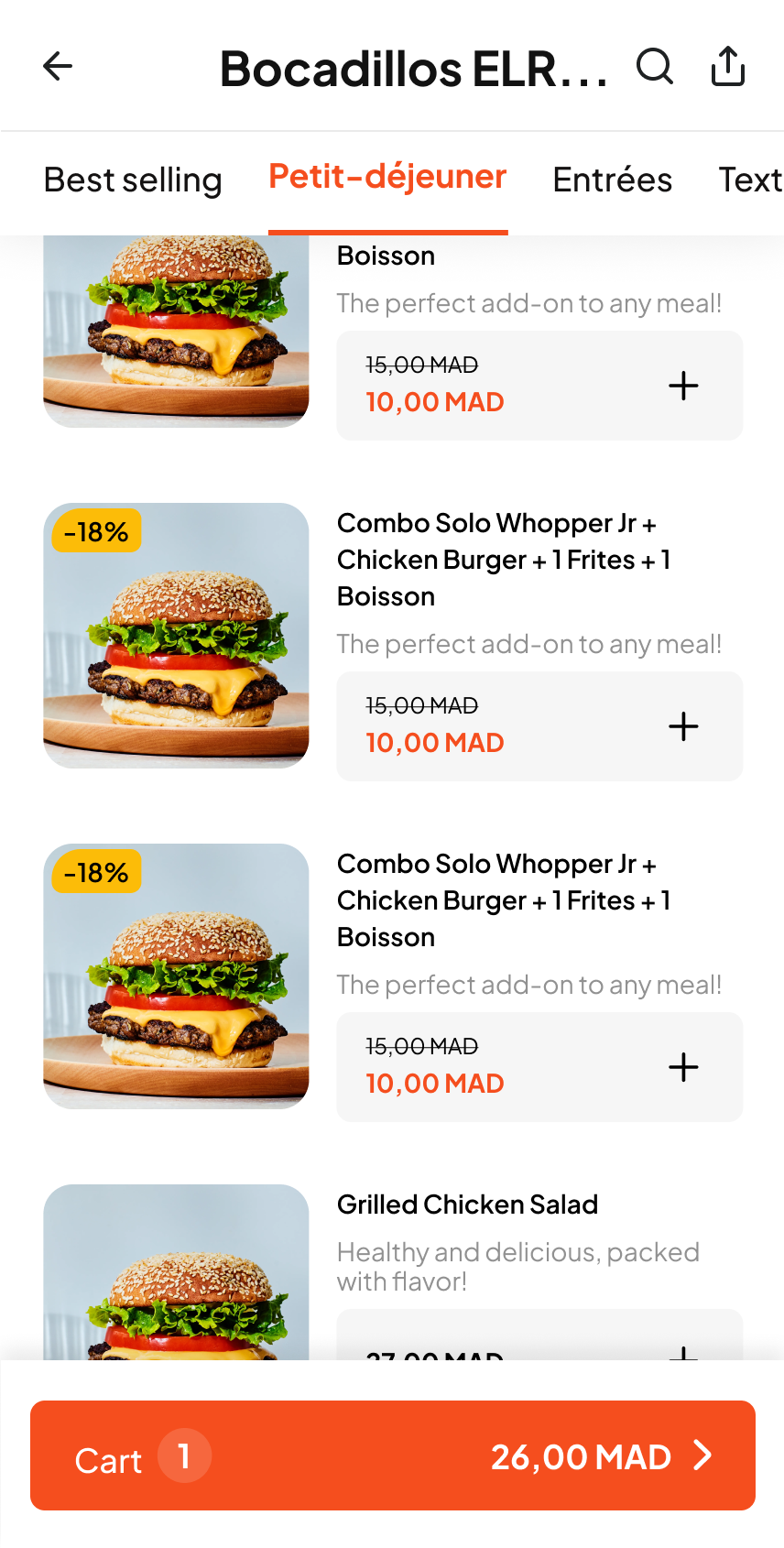
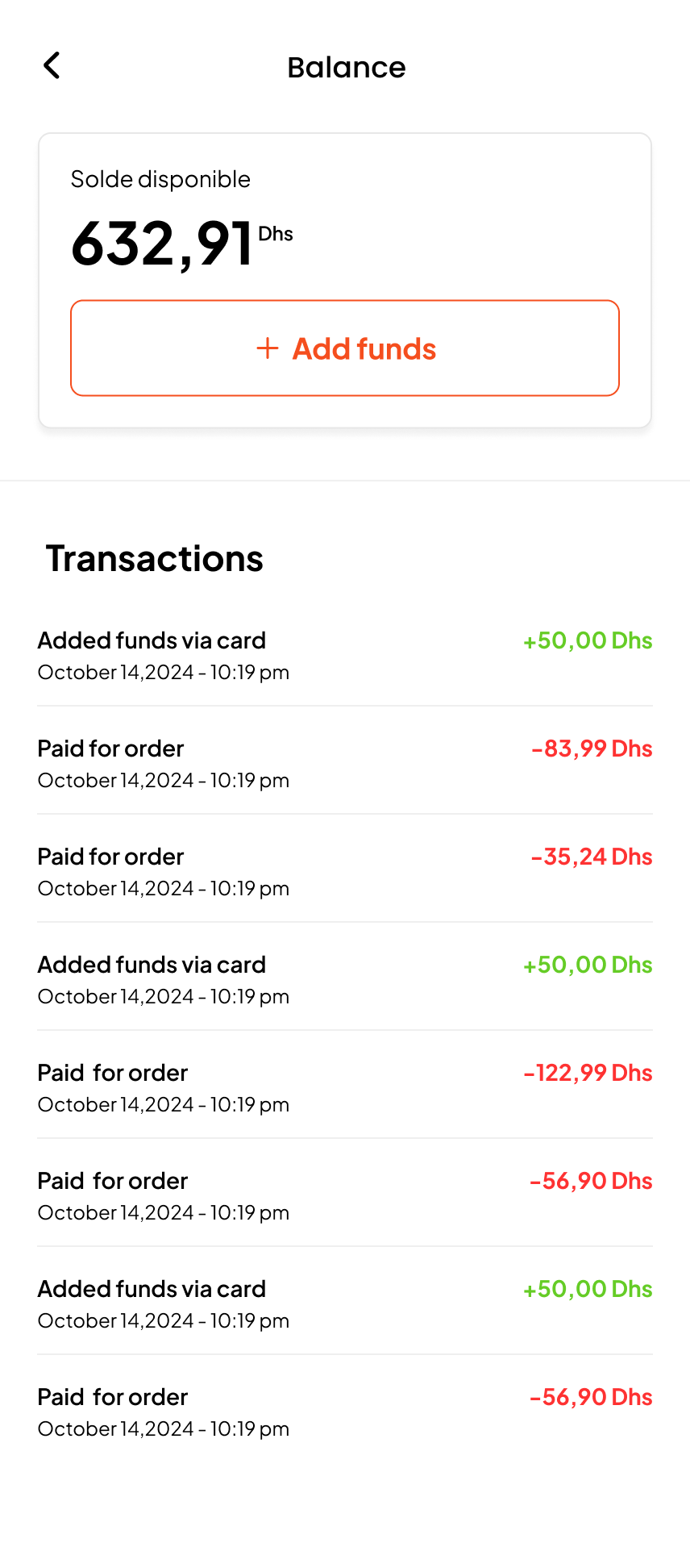
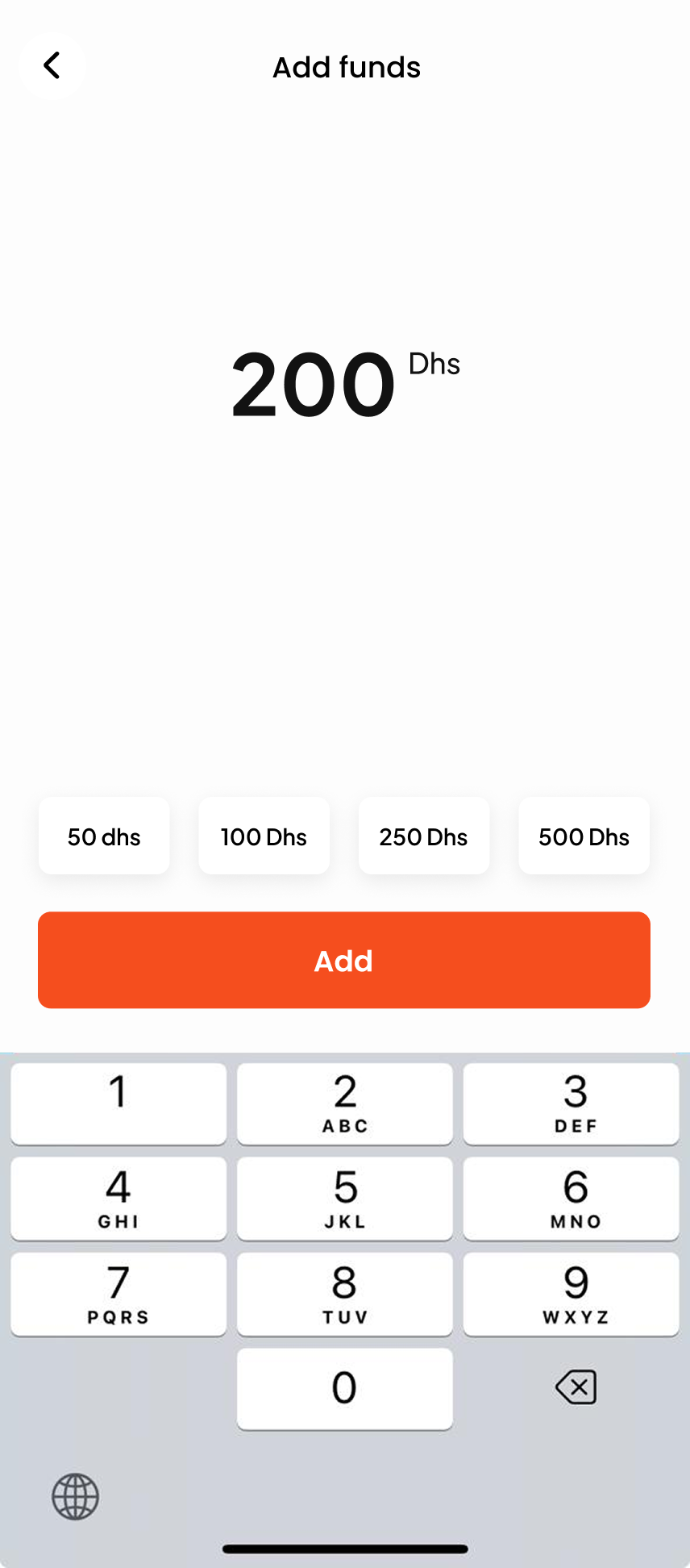
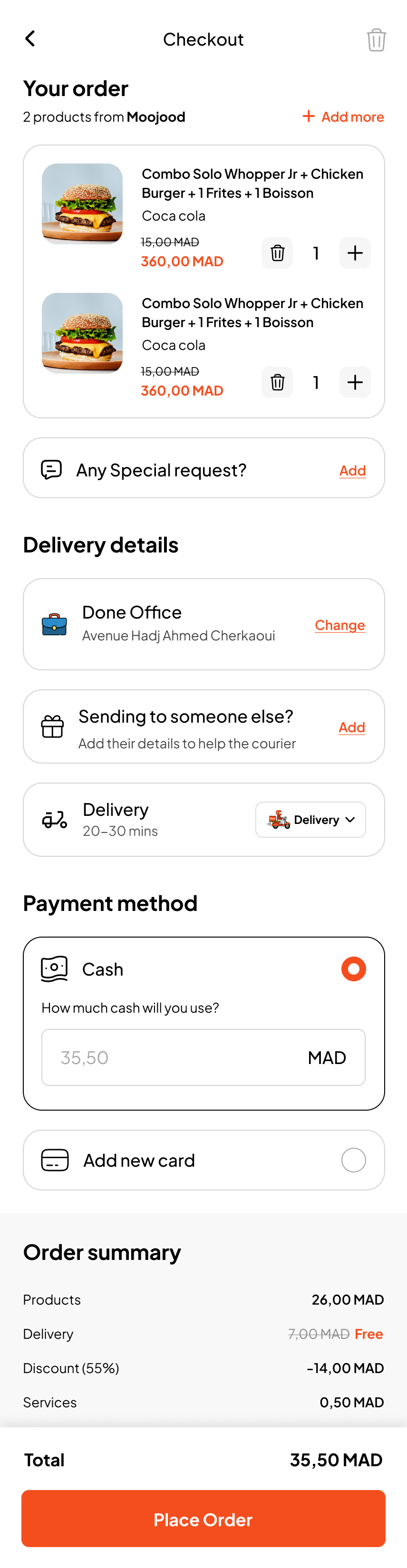
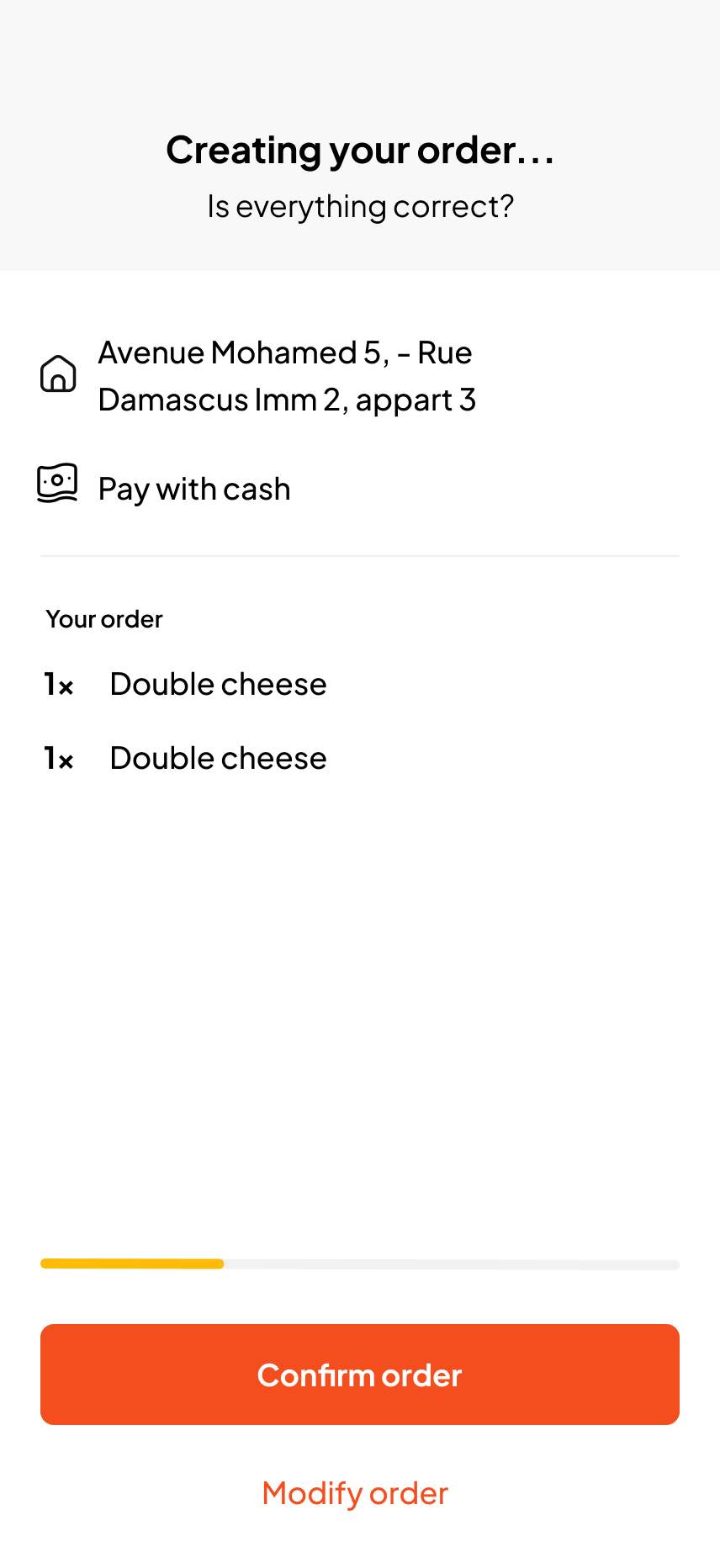
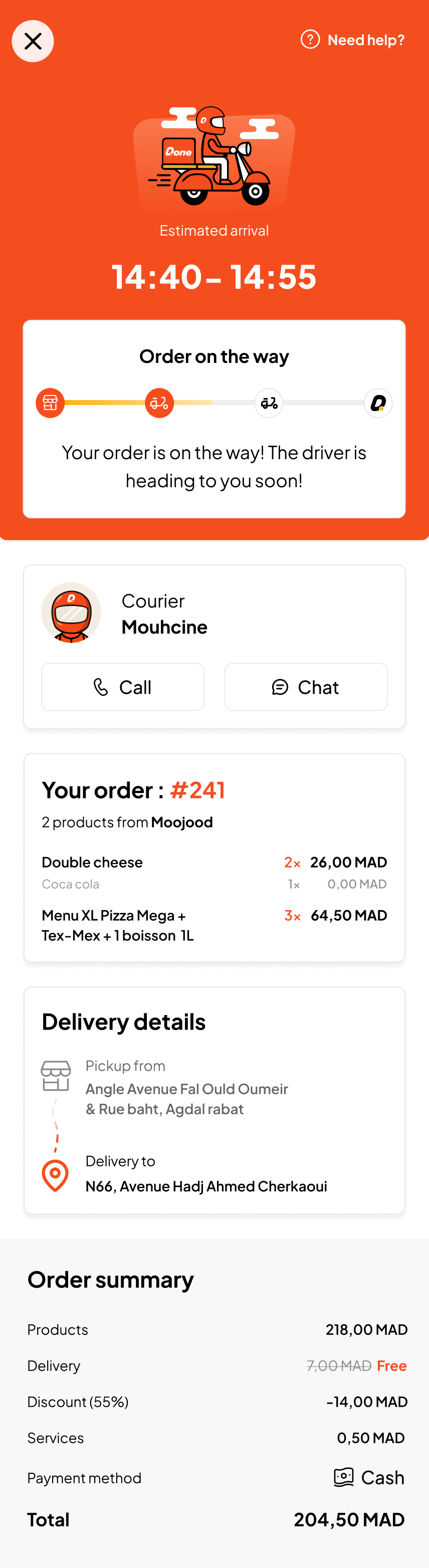
Prioritizing Trust Over Speed
Decision
We designed the experience to prioritize reassurance rather than fast completion.
Why
Users showed hesitation around payments and needed clarity before committing.
Impact
- Reduced friction in checkout
- Increased confidence in actions
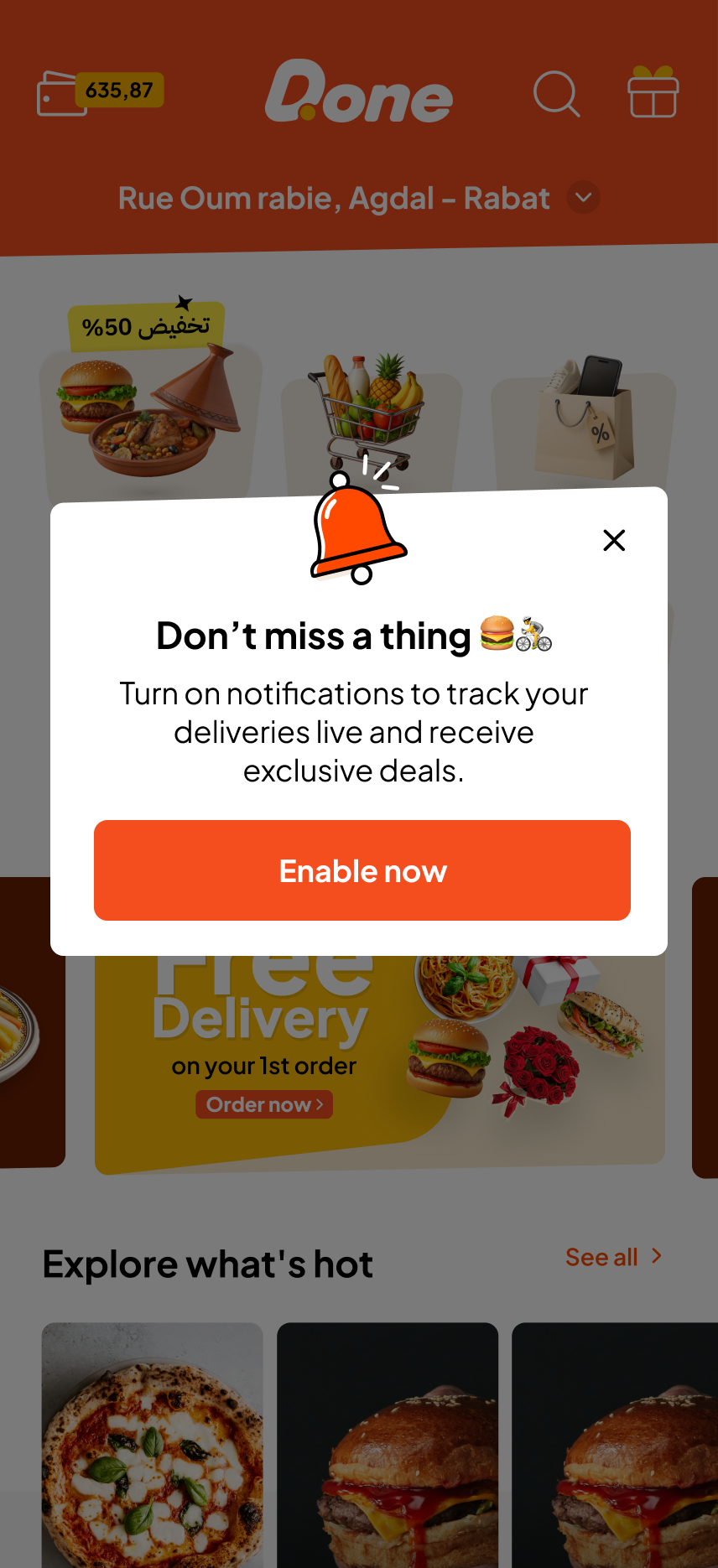
Structuring the Home as Modular Sections
Decision
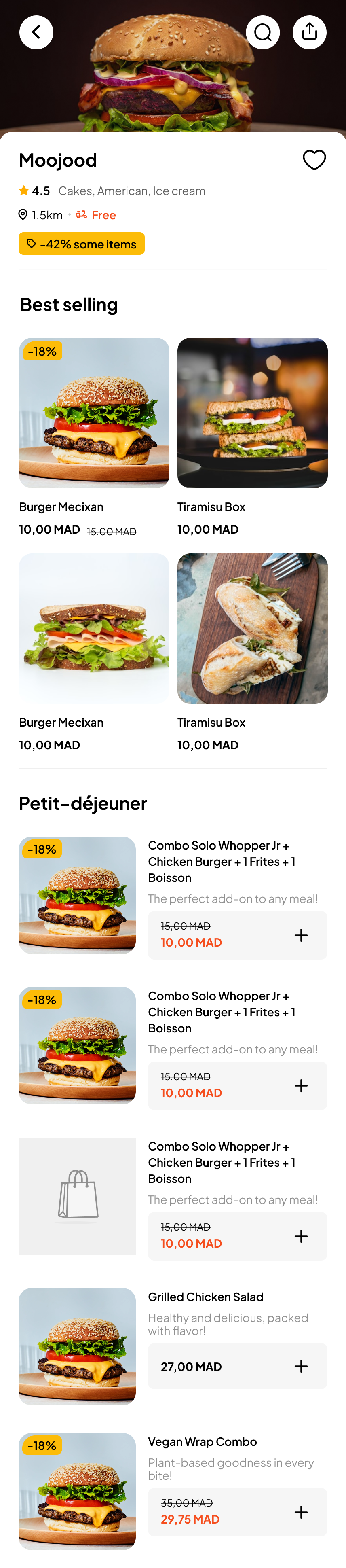
Replaced feature-heavy layouts with a section-based, modular homepage.
Why
Multiple services created cognitive overload when presented equally.
Impact
- Easier content scanning
- Clearer navigation between services
- Reduced user confusion
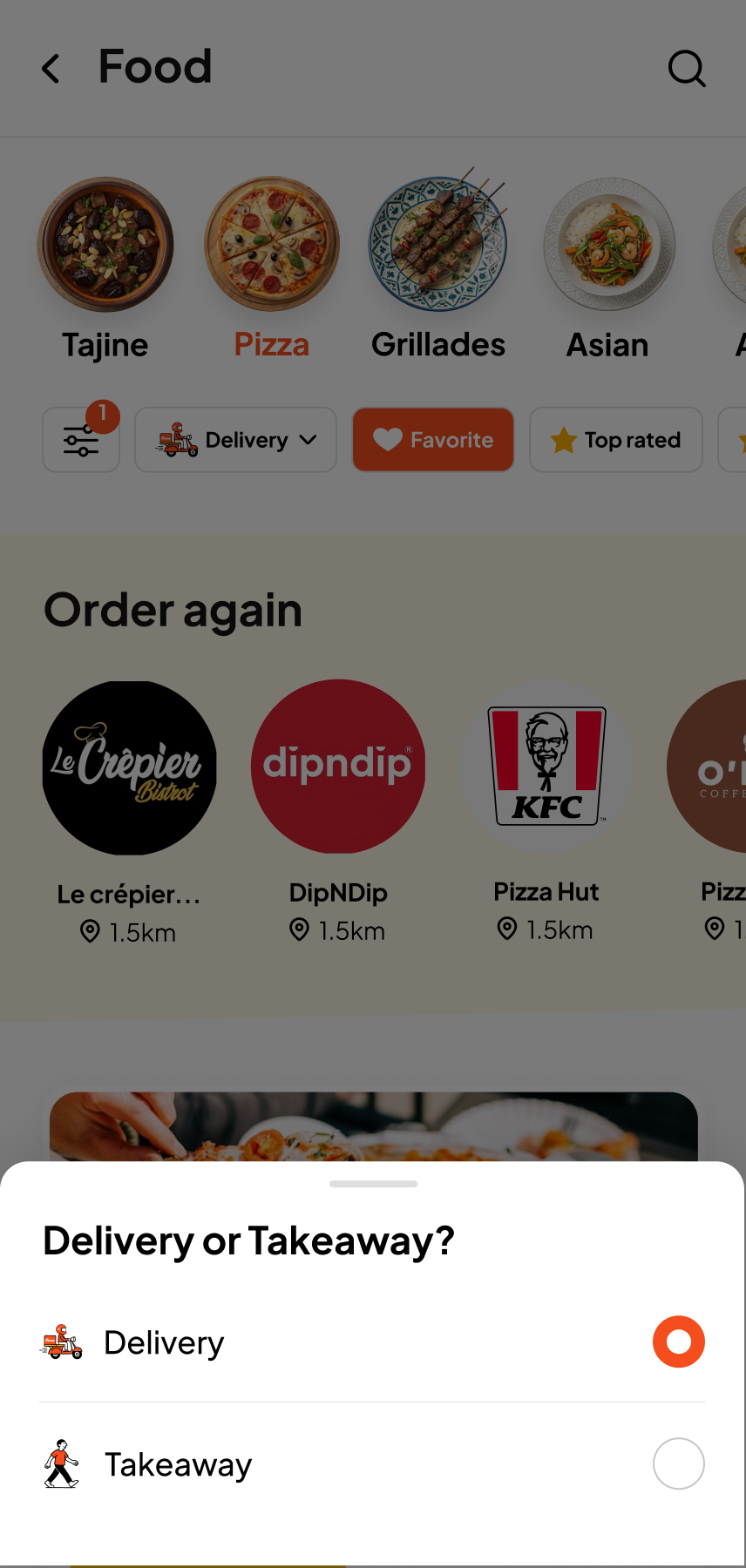
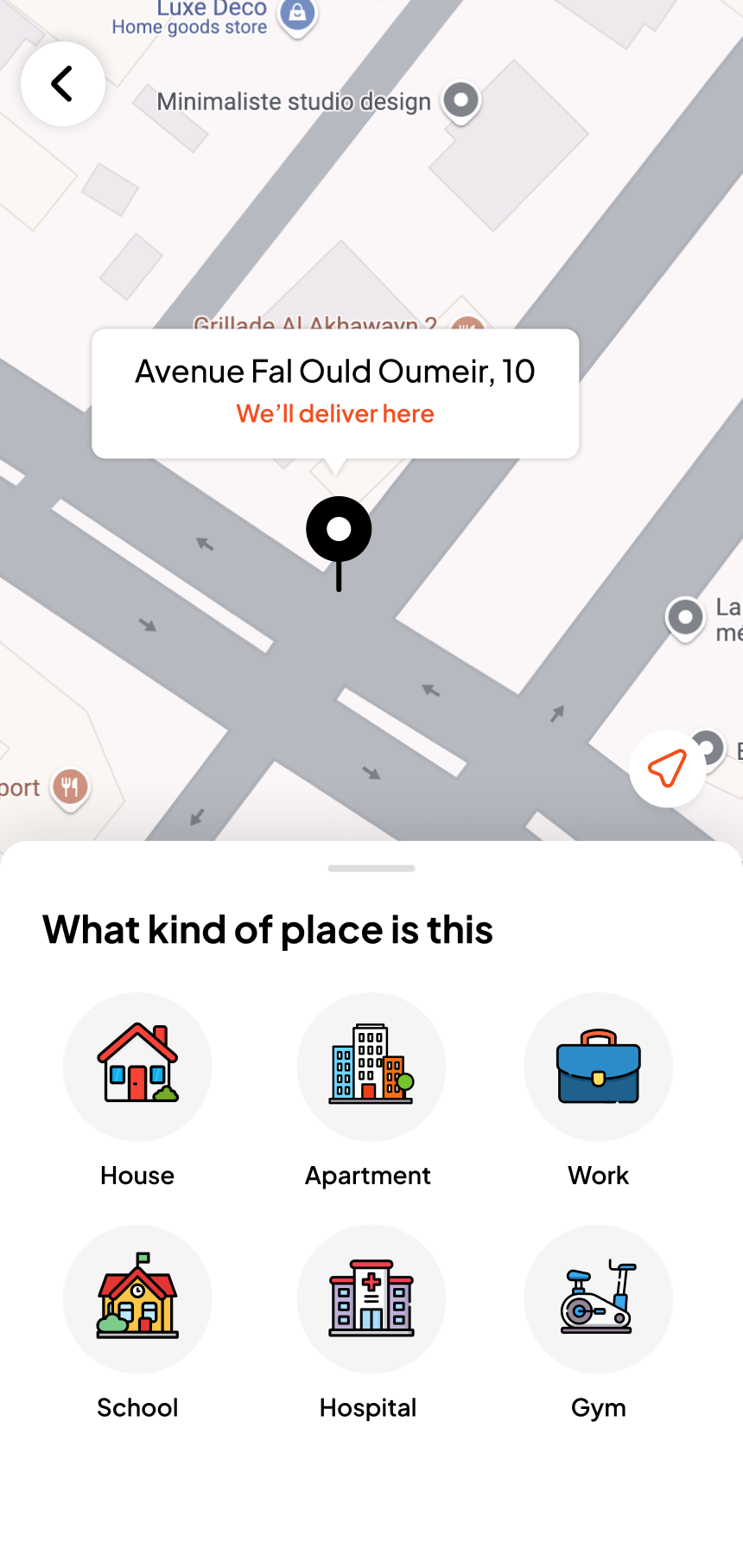
Using Familiar Interaction Patterns
Decision
Leveraged known UX patterns instead of introducing new or complex behaviors.
Why
Adoption is driven by recognition, not novelty.
Impact
- Faster onboarding
- Lower learning curve
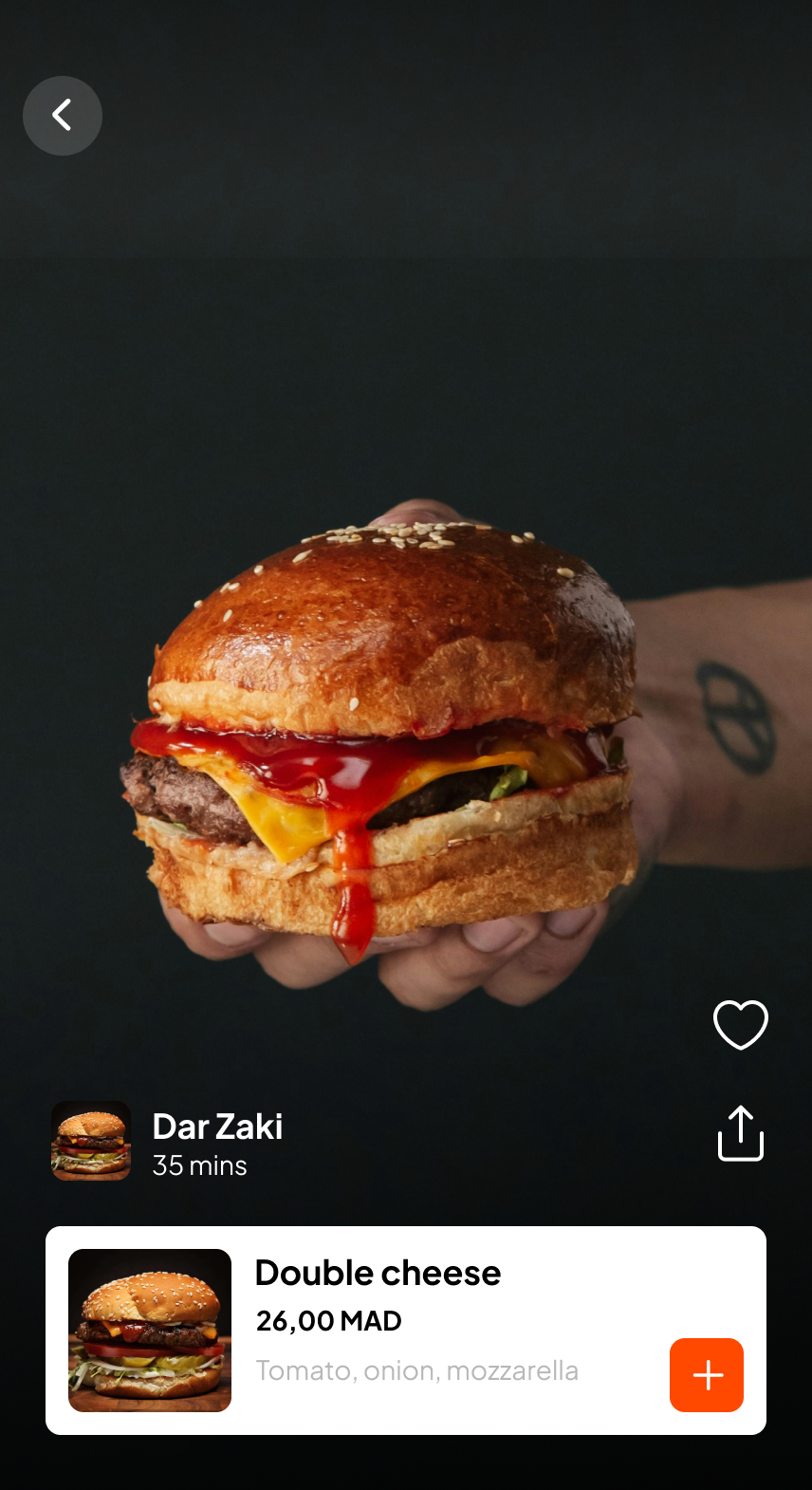
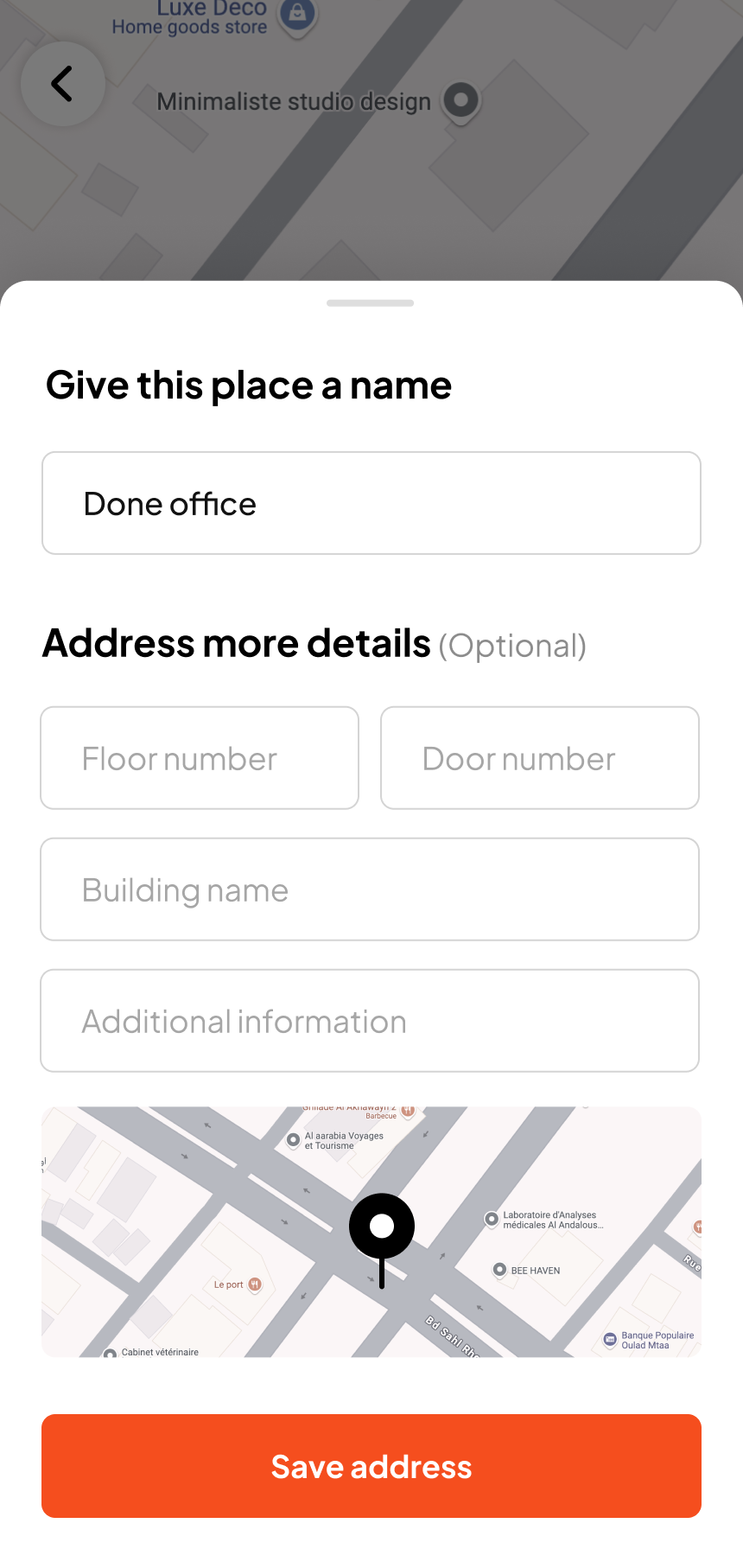
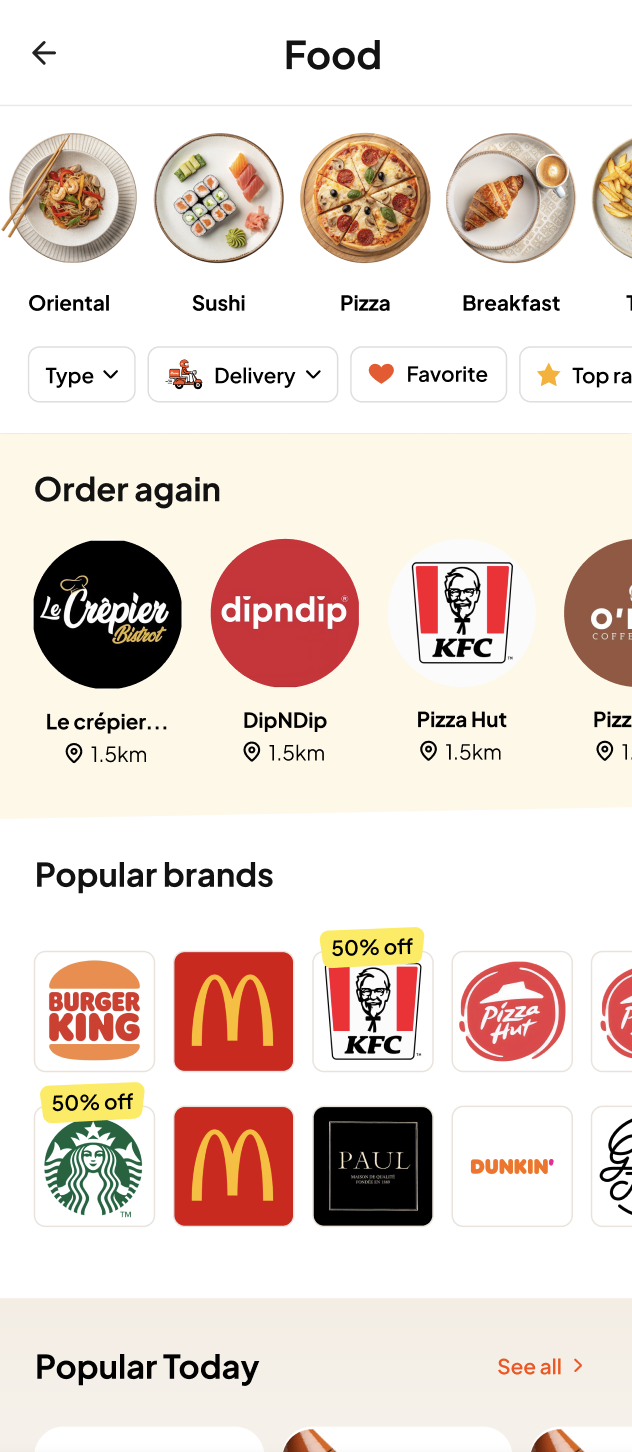
The process
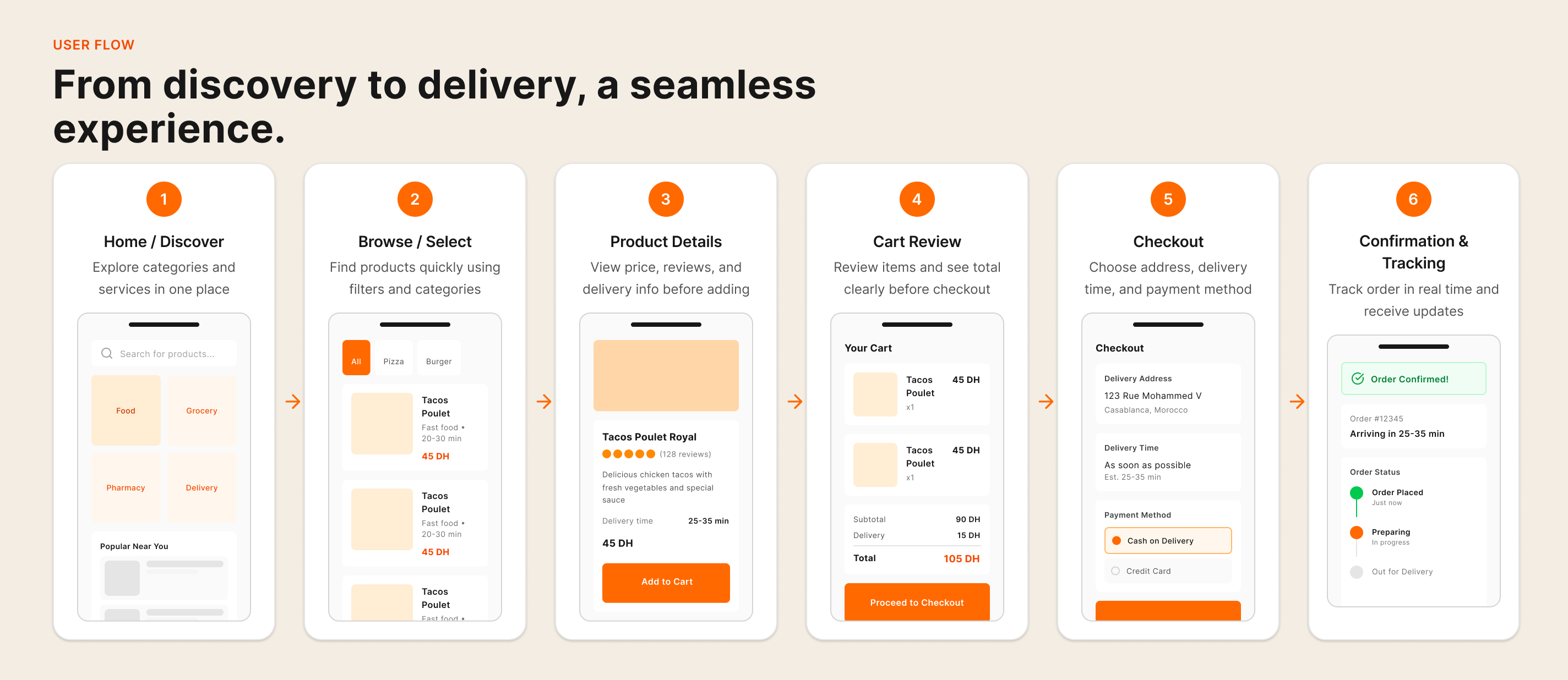
Wireframes → Prototype → UI
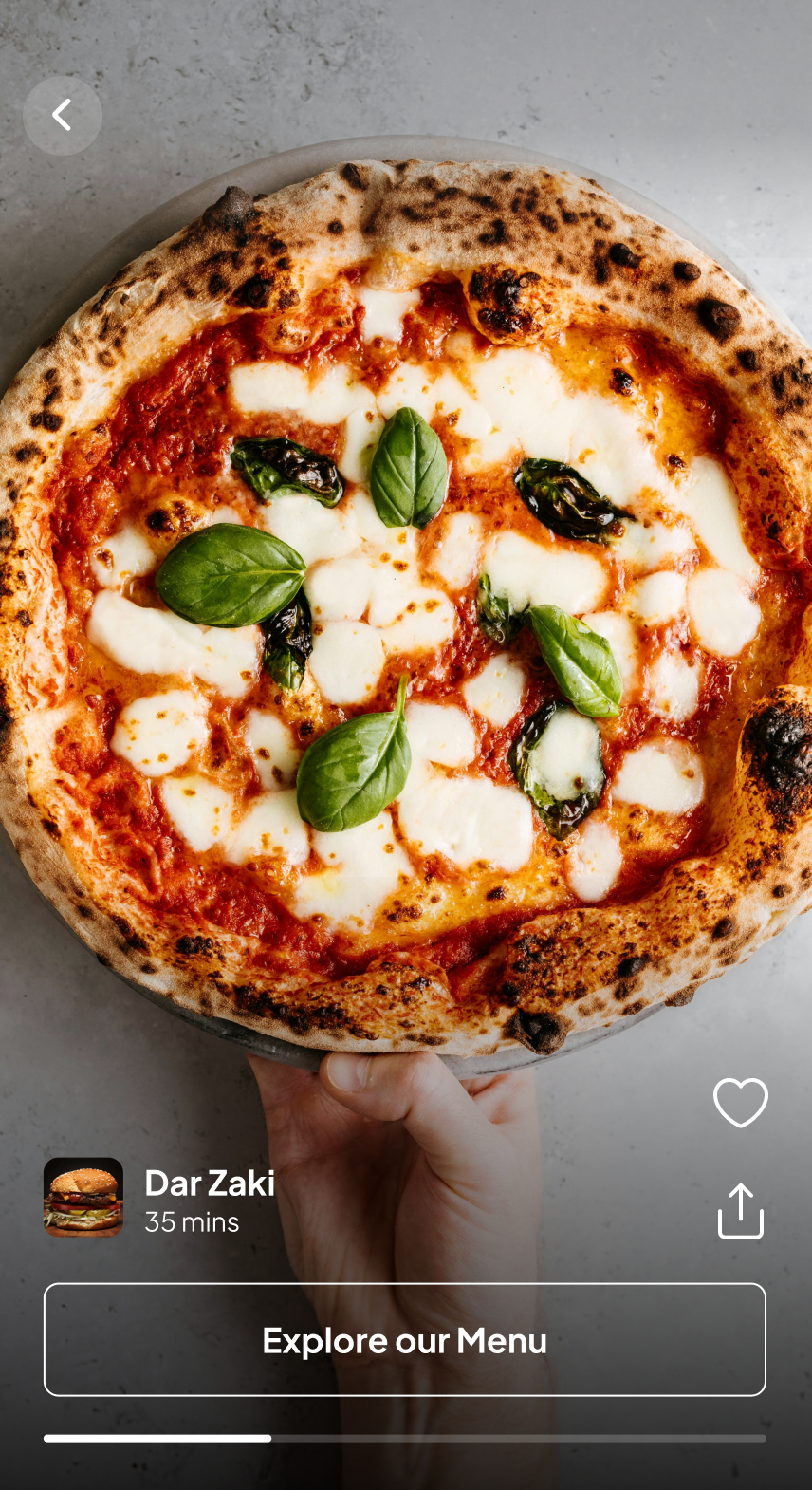
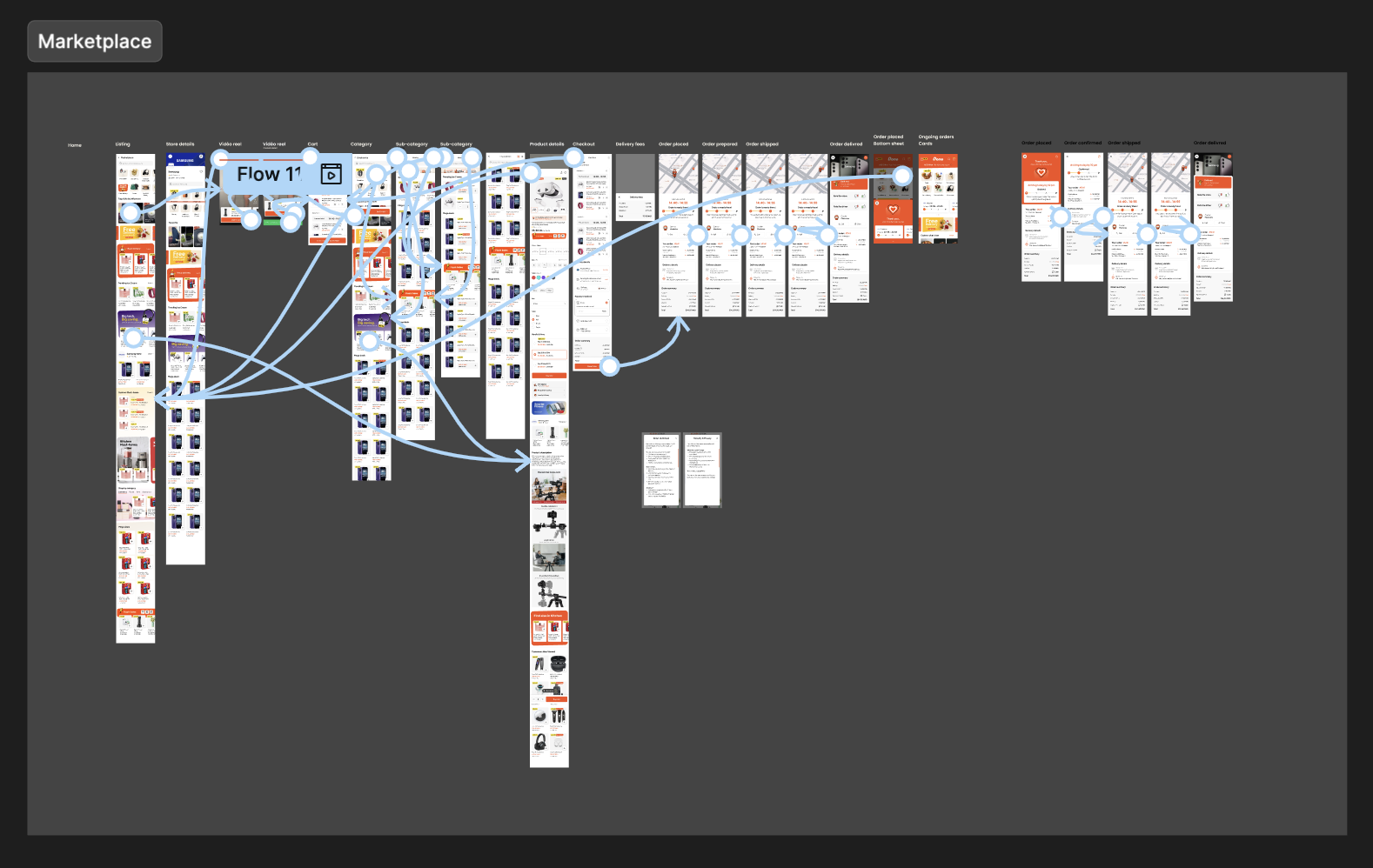
Starting from rough wireframes, we explored multiple structures and flows before converging into a scalable prototype.
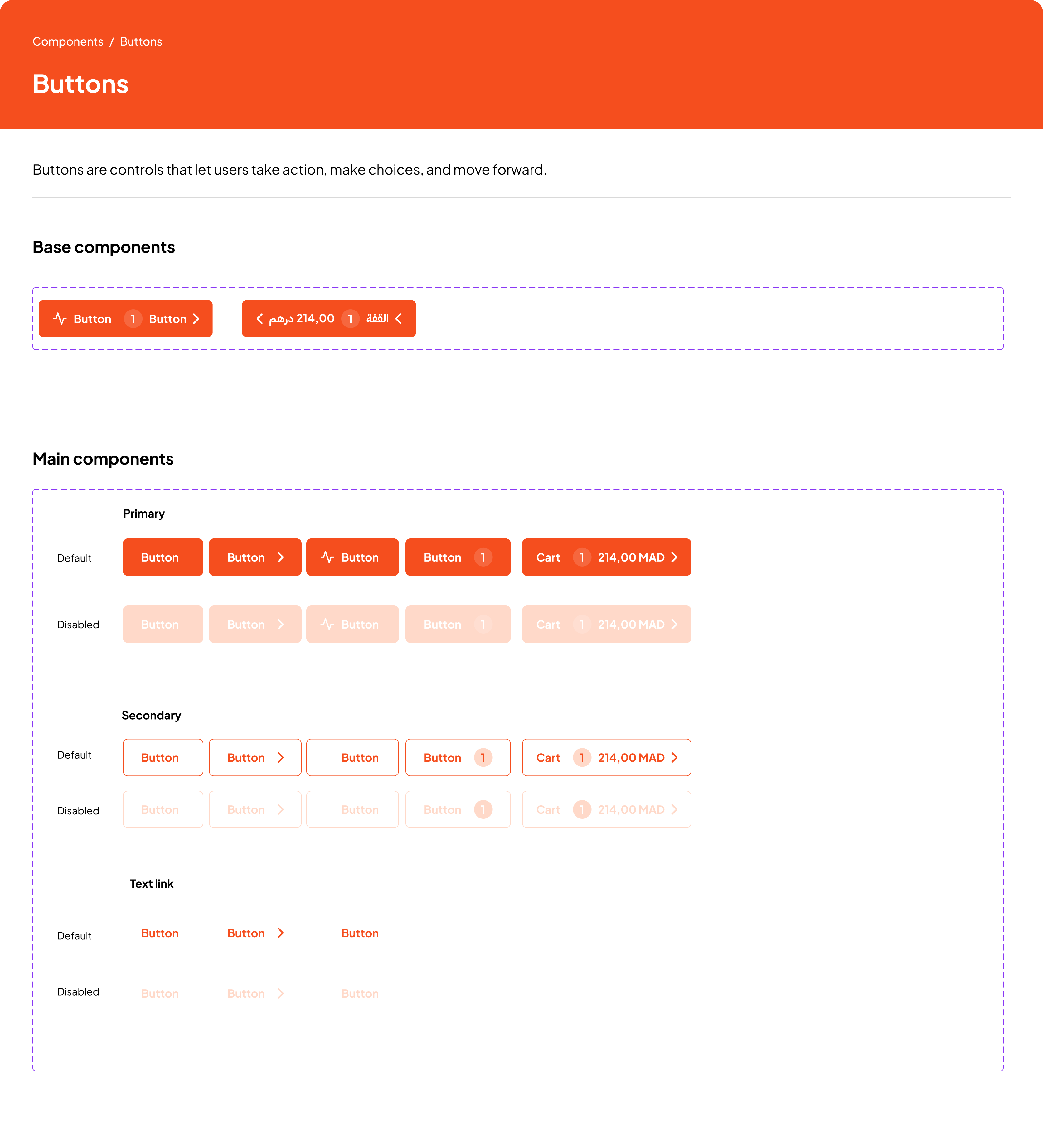
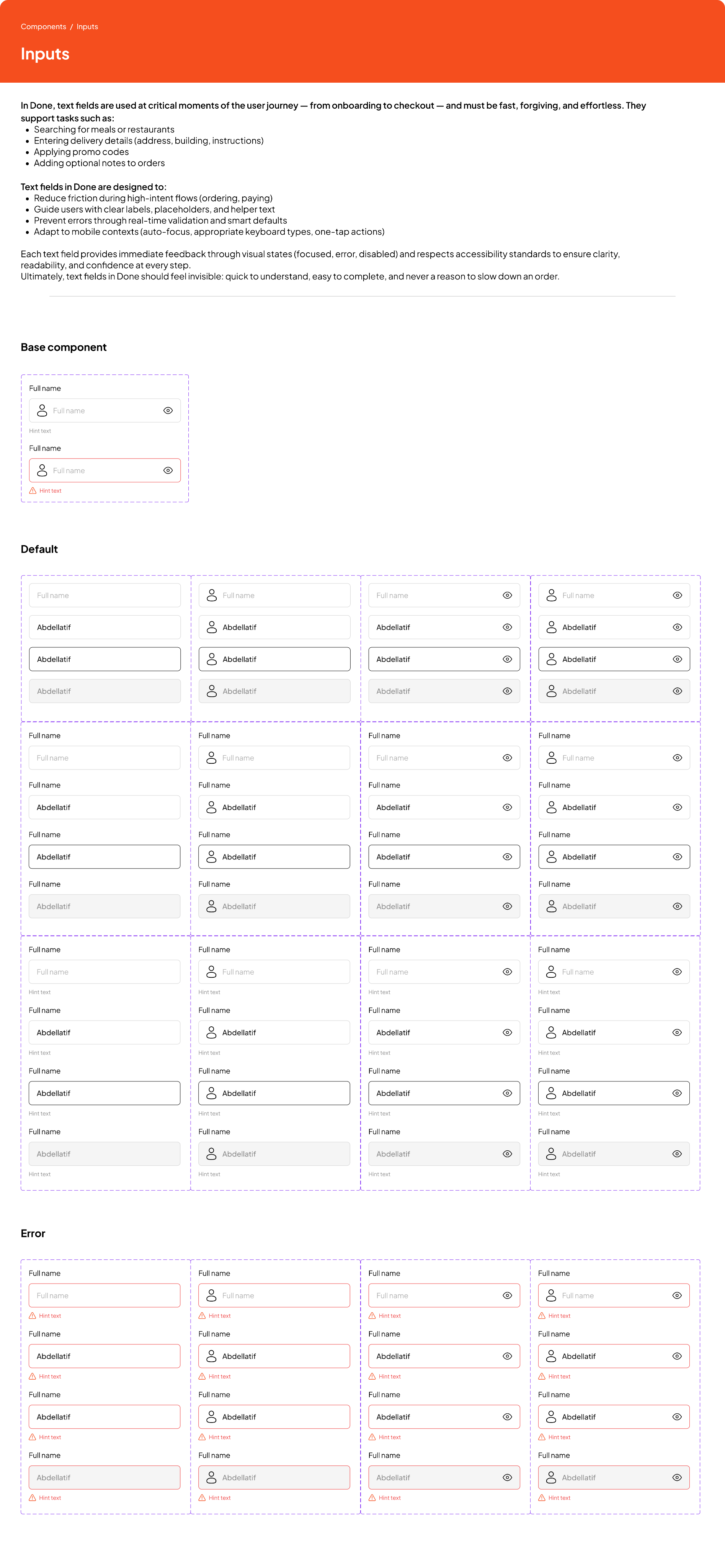
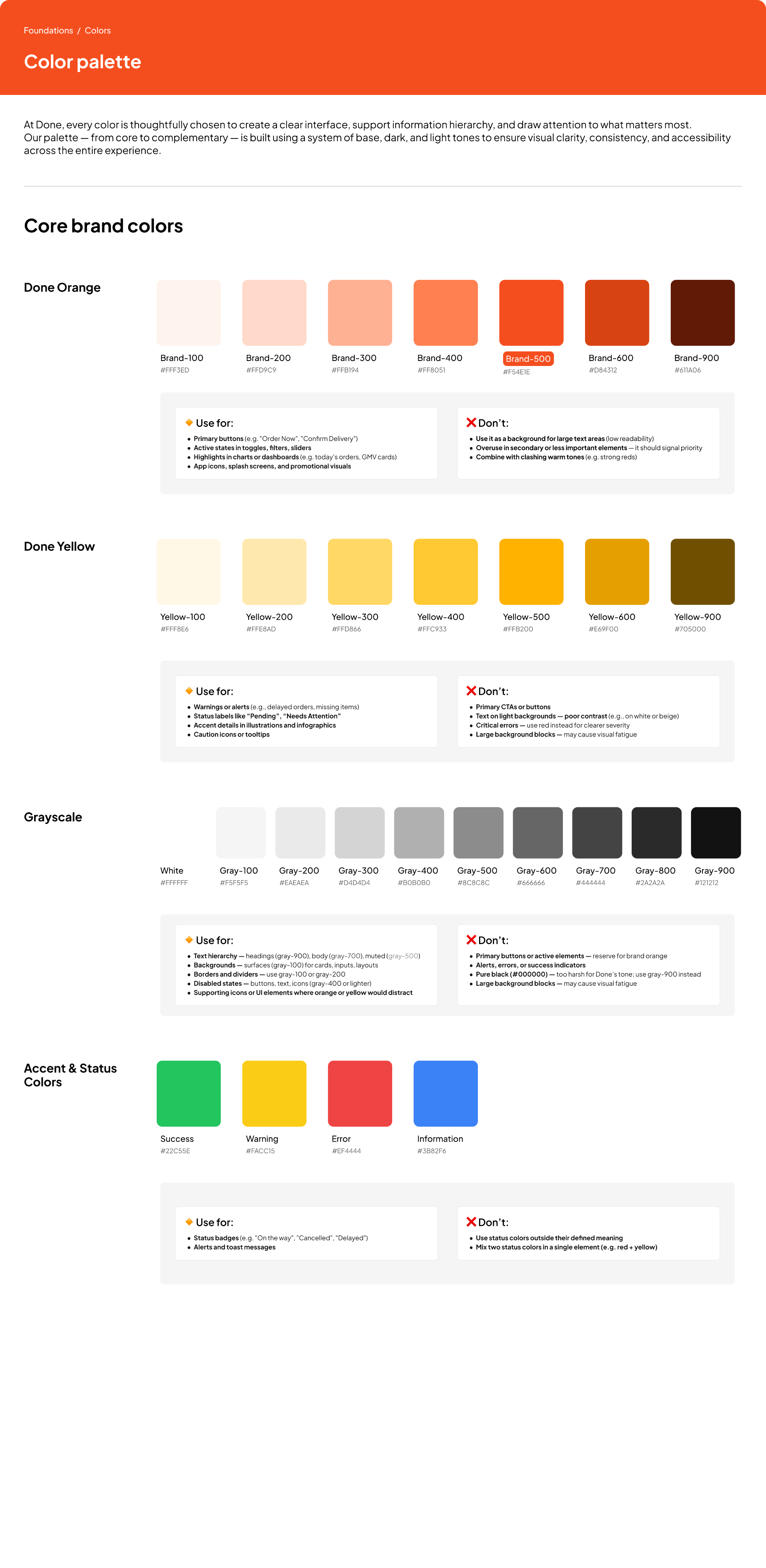
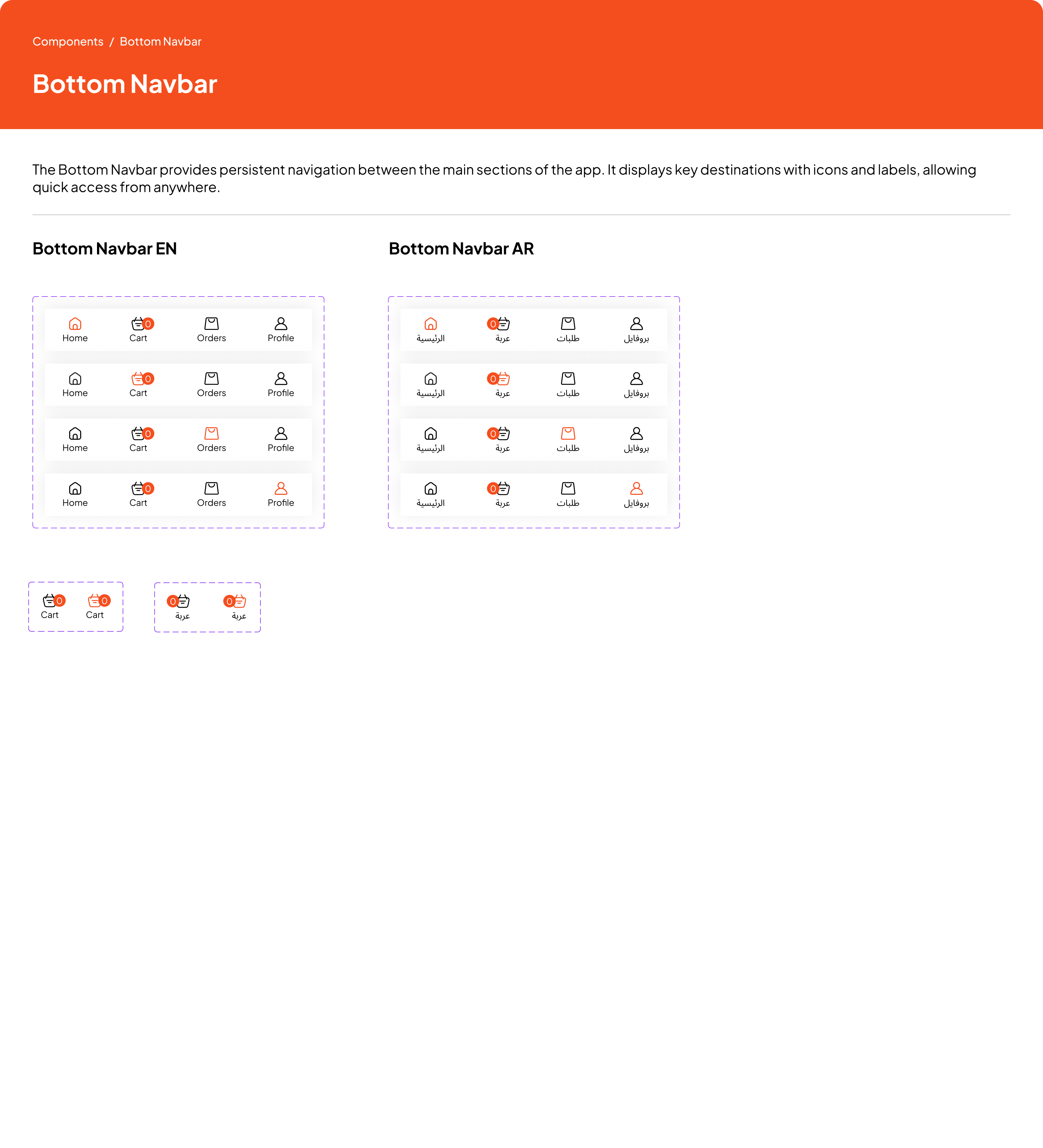
This allowed us to validate navigation, reduce friction points, and progressively refine the experience into a consistent UI system.
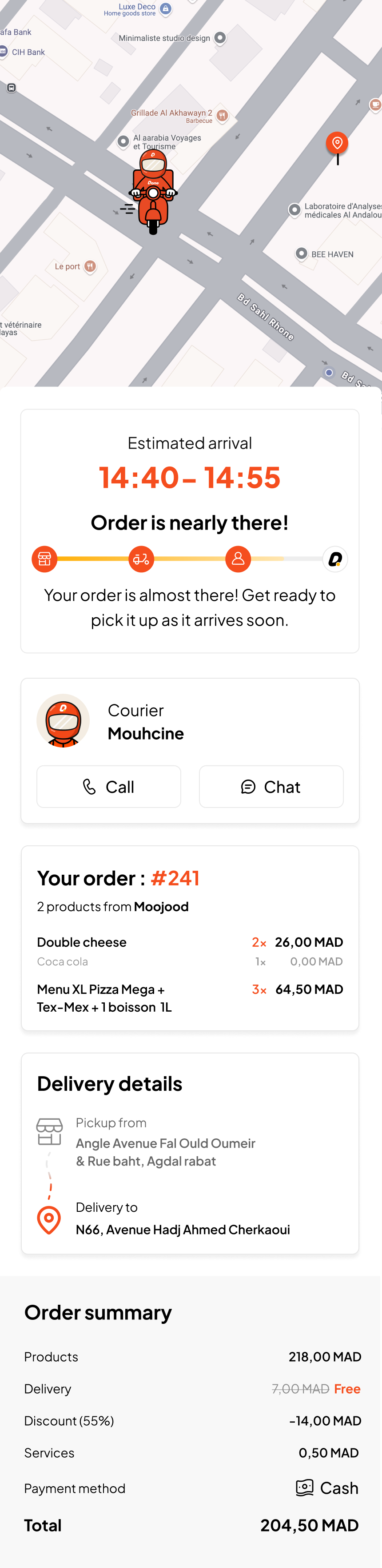
The impact
- Strong early growth in Average Order Value (AOV)
- Continuous increase in app installs and early user adoption
- Healthy task completion rates across key flows
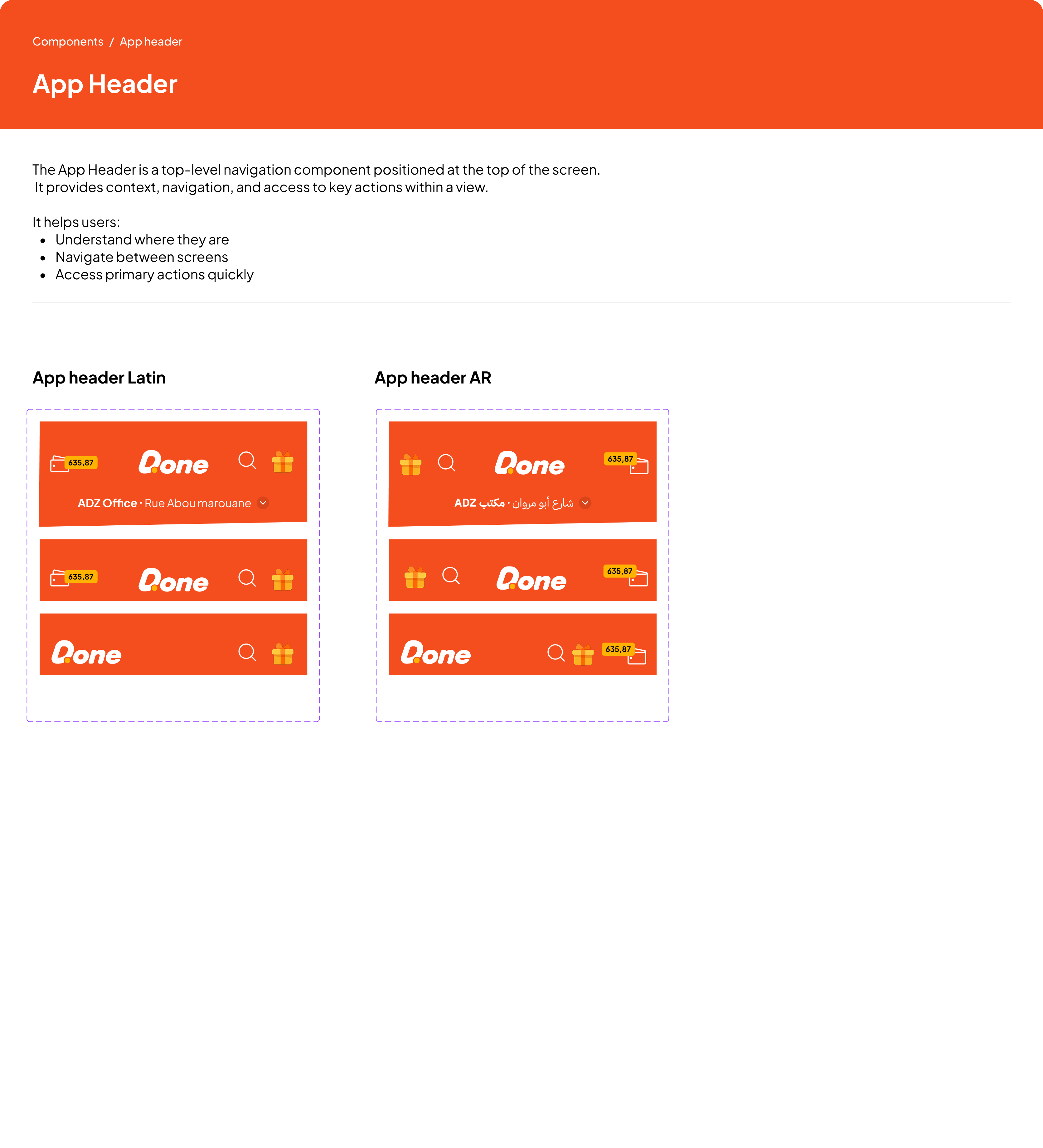
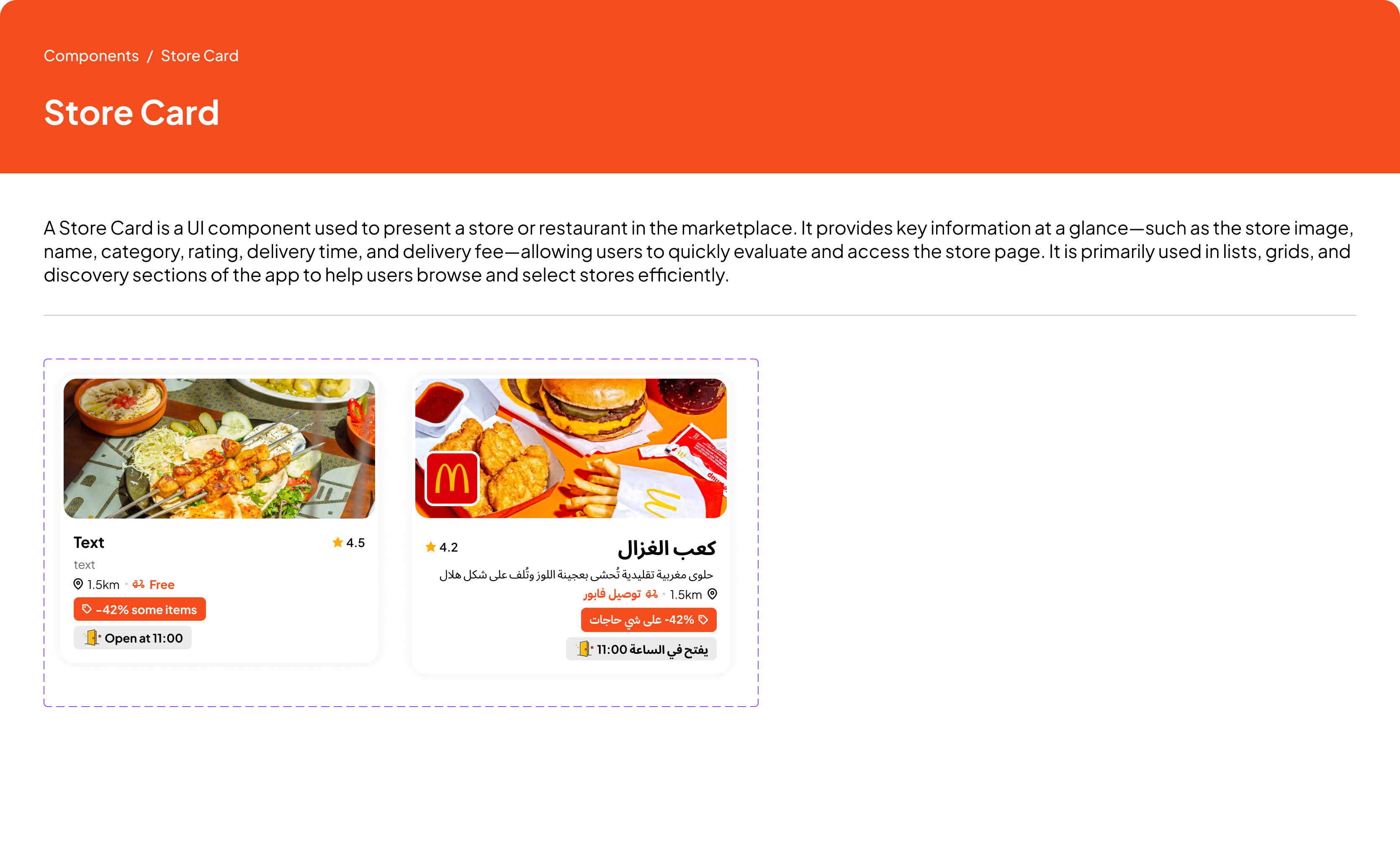
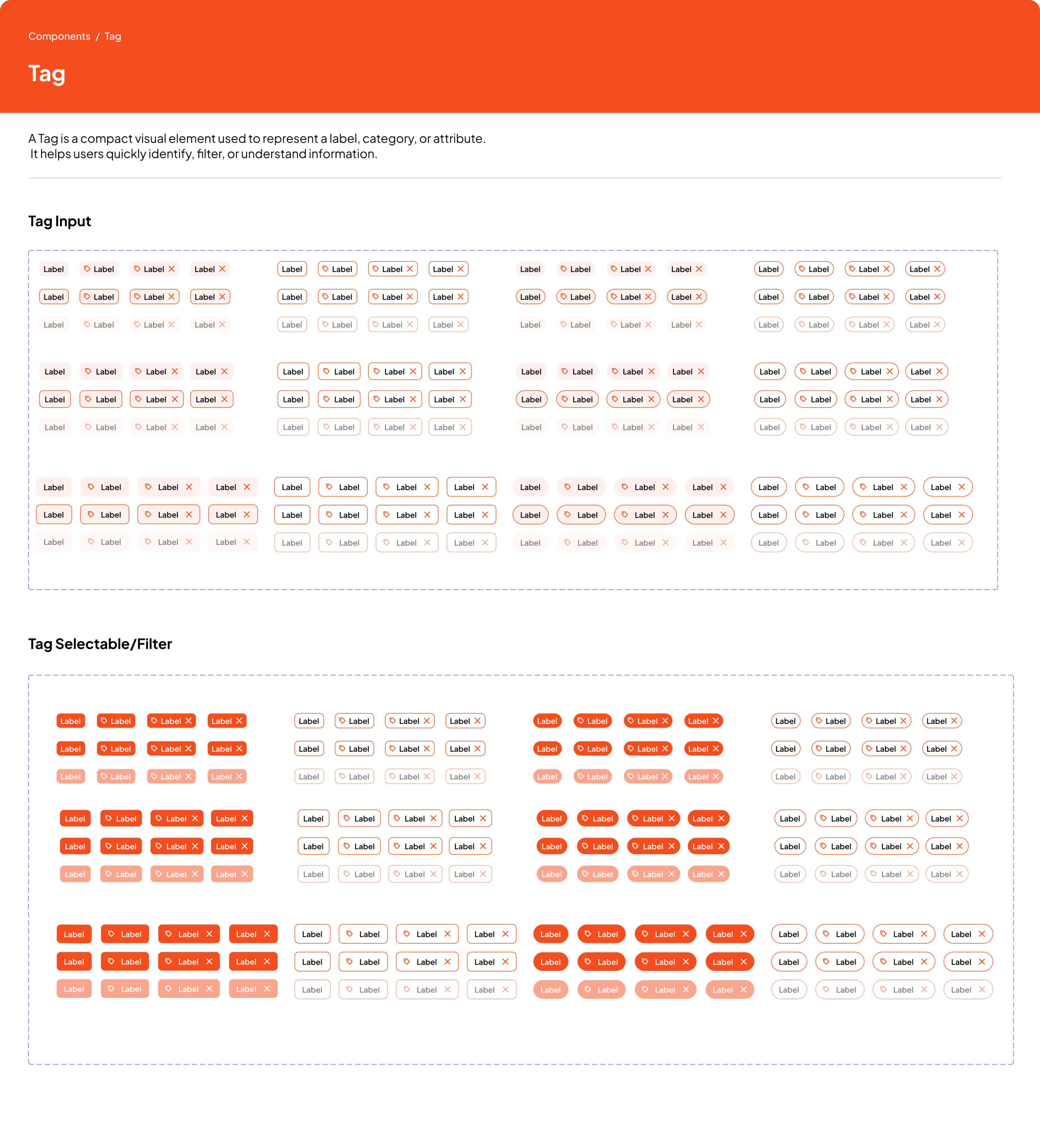
- Enabled faster product iterations through a scalable design system